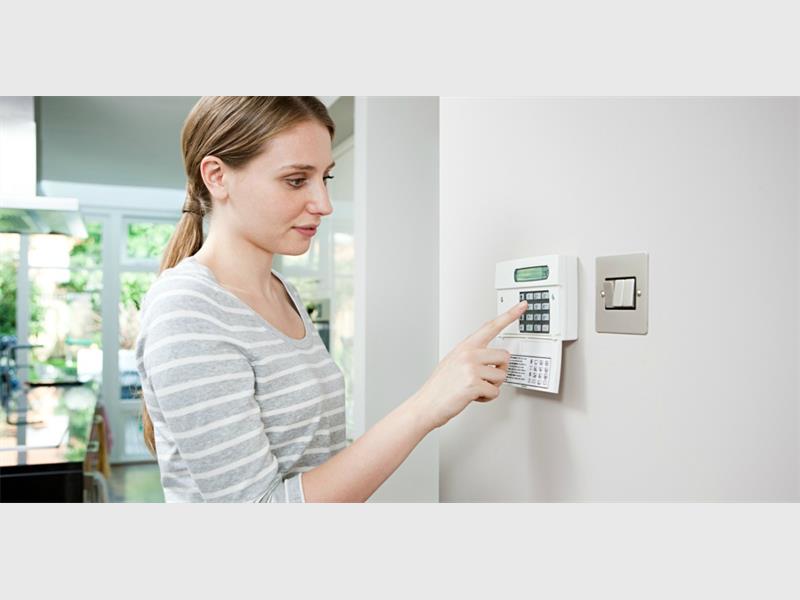

“Flooding, high winds, torrential rain and lightning can play havoc with a security system,” said Stuart Clarkson, managing executive for Fidelity ADT.
“If your security system – and this includes panic buttons and infrared detectors – is not functioning properly, it may mean the alarm activation signal may not reach the security company, which will not know that there is an emergency and that assistance is needed.
“Testing can be done out of peak hours together with your security service provider. If anything out of the ordinary is noted, a technician can be dispatched to address the problem.”
Power outages from the storms can also play havoc with alarm batteries.
Clarkson highlights the following information from the South African Intruder Detection Services Association.
In order to work effectively, your alarm system is totally dependent on the correct power delivered to all its components at all times:
• Too little power: The system will be unstable and deliver false alarms.
• Too much power: Reduces the lifetime of the battery or destroys it.
• No power: The system runs on a battery that is no longer charging – which is fine in the short term, provided the battery is 100 per cent efficient.
Many lower-quality sealed lead acid batteries, when fully discharged, do not always recover from total discharge. This in effect means that thousands of alarm systems are running off their transformers, particularly in older systems. The importance of good quality power components cannot be emphasised enough in a country that has a high crime rate and unreliable power delivery.
“The question you need to ask, therefore, is how sure are you that your alarm system and battery are working the way they should?
“As we are in our rainy season and can expect the onset of traditional Gauteng thunderstorms, it is better to be safe than sorry and test your alarm and evaluate your battery well in advance,” said Clarkson.