Startling facts about osteoporosis – love your bones, secure your future!
It was World Osteoporosis Day on October 2
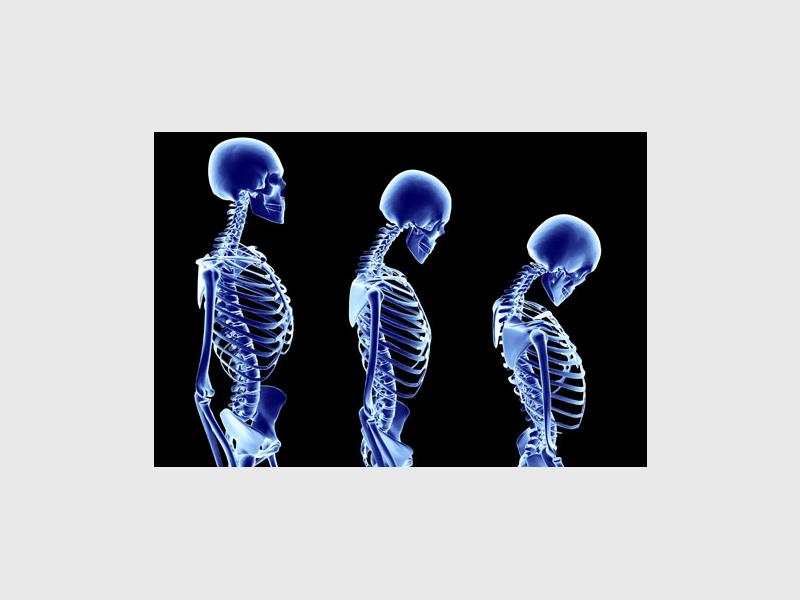

According to Dr Aneesa Sheik, medical director of Lilly South Africa and an official partner of World Osteoporosis Day, over 200 million people worldwide are affected by osteoporosis.
“One bone gets fractured every three seconds – that’s a lot of broken bones. In fact, it equates to almost nine million fractures a year,” she said.
“It may sound like a disease that the elderly are more prone to relate to, but about 50 per cent of bone mass accumulates during adolescence, making it a critical time for bone building.”
Sheik said osteoporosis is a growing global problem that respects no boundaries and impacts all populations. It accounts for more days in hospital than other diseases such as breast cancer, myocardial infarction, diabetes and others. Quite simply, it can take a heavy toll on your future if left undiagnosed and untreated.
Osteoporosis is a condition in which bones become thinner and more fragile, making them more likely to break (fracture). A person with osteoporosis may suffer a broken bone after only a minor bump, a sneeze or a fall from a standing height.
“As it affects older people, the younger generation tend not to give it much thought. But, in fact, it’s young people who can protect a future of brittle bones and change the picture of thinking that hip replacements and brittle bones are an unavoidable threat when they get older,” said Sheik.
“By reaching their maximum genetic potential for strong bones, a young person will be less susceptible to osteoporosis and fractures in later life.
“It’s worth giving your bones some love while you have the chance, because the result of potentially life-threatening fractures is often pain, immobility, disability and loss of quality of life later on.
“But, it’s not about the old and the young; there is a need for people of all ages to take preventative action. It is an eye-opener to note that 80 per cent of people who have had at least one osteoporotic fracture are neither identified nor treated for osteoporosis. And only one third of vertebral fractures come to clinical attention.”
Other interesting facts:
- Around the world, about one in three women and one in five men aged 50 and over will break a bone due to this disease.
- Urbanisation and ageing populations are driving rapid increases in the global osteoporosis disease burden.
- In men, the risk of fracture is up to 27 per cent higher than the risk of prostate cancer.
- By 2050, the worldwide incidence of hip fracture in men is projected to increase by 310 per cent and by 240 per cent in women.
- Most fragility fracture patients aren’t assessed or treated by their health-care system, resulting in a failure to ‘capture the fracture’ and reduce risk of subsequent fractures.
- Hip fractures cause the greatest morbidity with reported mortality rates up to 20 to 24 per cent in the first year after a hip fracture. This kind of fracture can cause loss of function and independence, with 40 per cent unable to walk independently, 60 per cent requiring assistance a year later and 33 per cent being totally dependent on or in a nursing home in the year following a hip fracture.
“A prior fracture is associated with an 86 per cent increased risk of any fracture This is one of the reasons it has become a major public health concern. Osteoporosis is an underlying cause of chronic pain, long-term disability and even premature death.”
Preventative action ranges from nutrition to testing:
- Taking a bone health assessment should be considered for women aged 50 and over, men aged 70 and over, or for anyone younger with osteoporosis risk factors. ·
- A Fracture Risk Assessment (FRAX) is an important first step in identifying patients who need further assessment and possibly treatment.
- Bone-healthy nutrition, together with weight-bearing and muscle-strengthening exercises, are both important ways to help prevent osteoporosis and reduce risk of falls and fractures.
- There is also the IOF one-minute osteoporosis risk test (https://www.iofbonehealth.org/iof-one-minute-osteoporosis-risk-test), which recognises personal risk factors for osteoporosis and fractures. If you have risk factors, talk to your doctor about your bone health.
“For patients at high risk, lifestyle changes alone are not enough to significantly reduce fracture risk. If medication is prescribed, treatment should be followed,” said Sheik.
“Osteoporosis is not an unavoidable threat. It is a silent disease. Take steps to protect your bone health, and start as early in life as you can!”
- About World Osteoporosis Day (WOD)
WOD takes place on October 20 annually and is a key date in the bone and musculoskeletal health community agenda.
It’s an occasion when people around the globe unite to put the spotlight on the immense burden caused by osteoporosis and other musculoskeletal diseases, and the actions that can be taken to prevent and treat them.
Health-care providers, medical authorities, individuals and policymakers all have a role to play in helping to reduce the disease burden. The global campaign has been organised by the International Osteoporosis Foundation (IOF) since 1998 and involves more than 99 countries.