ALERT: Staying safe on the roads as more thunderstorms are predicted
The South African Weather Service is warning of more severe thunderstorms over parts of Gauteng today.
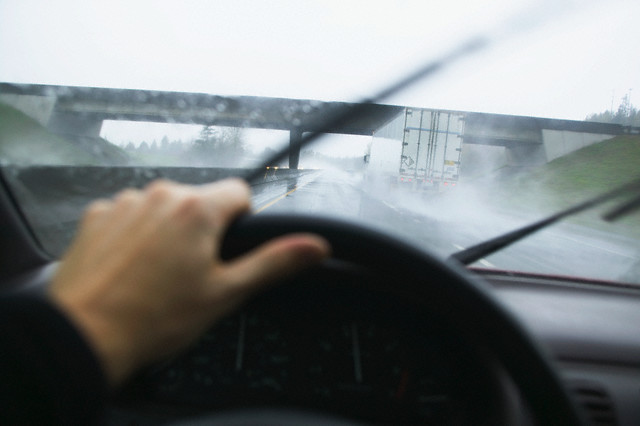

The organisation warns that the storms could occur between 1pm and midnight.
Residents are urged to take precautions when travelling and be sure their vehicles and animals have appropriate shelter.
How to prepare for a hailstorm
South African insurance company, Dialdirect, in a release, issued a series of pointers on how to react to the threat of imminent hailstorms:
The company suggested that:
– people keep a close eye on weather forecasts in order to be aware of hail storms approaching their vicinity.
– if your car is parked under trees, move it, as it is at risk of being damaged by falling trees and debris.
– if you haven’t yet begun your journey and are aware of an approaching storm, rather stay off the road until the storm subsides. Therefore, if you are in a place that offers shelter against an approaching storm, rather stay put until the storm has subsided.
If you are caught on the road during the storm, Dialdirect suggests the following:-
– look for cover. This could include a covered car park or a petrol station. Take extreme care when pulling-over, put on your hazard lights, and don’t risk your safety or the safety of others by dashing madly for cover. Stay in your car and only leave the safety of your sheltered spot when the storm has passed.
– if there is no shelter nearby, motorists are urged to pull-over onto the side of the road if it is safe to do so. In an unsheltered spot, hail damage is inevitable but, it is safer not to drive through a storm when visibility is poor, the roads are slick and there is a risk of aquaplaning through deep pools of water and hail.
– with the sudden drop in temperature during a hail storm, your car’s windows will be more prone to fogging up, hampering visibility, so make sure that your car’s defogger is working properly.
At home:
- Gutters should be kept clean and free of debris to channel ice and water away from the roof.
- Outdoor equipment and furniture should be moved undercover if possible when a heavy storm is forecast.
- Roof structures should be checked to ensure that they won’t buckle under the weight of the hail in the event of a blocked drainage system.
Wet weather driving mistakes to avoid
With the weather promising to bring more rain, t is important to note that driving in wet weather conditions, on slippery roads and in blurry windscreens to name a few, is different from driving on dry roads.
To avoid classic driving mistakes in wet weather is sure to reduce the risk of accident and injury to loved ones.
Mistake one: Not adjusting speed to conditions
Speed limits in wet weather automatically change, due to the various factors like visibility, traffic and traction, therefore drivers need to adjust their speed to match the immediate driving conditions.
Solution: If visibility is minimised or if the road is wet, snowy, or icy, you should slow down significantly. This will give you more time to respond to any incident, and help prevent a loss-of-traction situation.
Mistake two: Doing more than one thing at a time.
Even in clear, dry conditions, it is easy to overload one tyre doing two or more things at once, like turning and braking at the same time. In wet conditions it is much easier to lose traction on the road when forcing the vehicle to do two or more things at once.
Solution: Do one thing at a time – brake, then steer/turn, then accelerate. This will help prevent demanding too much of the tyre that takes the brunt of the traction requirements, thereby reducing the chance of a loss-of-traction situation.
Mistake three: Not looking far enough ahead
Many drivers focus on the part of the road just ahead of their own vehicle, often missing important road changes and not responding quickly enough to these conditions – like a lane closure, for example. Changing lanes earlier or braking in time might just prevent an accident.
Solution: Work on looking further ahead (12 – 15 seconds), and also predicting what other drivers might do that could create problems. Detecting potential problems ahead as early as possible can make the difference between a collision and a near miss.
Mistake four: Not maintaining enough space.
Most drivers fail to maintain enough space between their vehicle and other vehicles around them. Frequently, drivers position themselves too closely to the vehicle in front. But, maintaining ‘open’ space to the sides is also critical – you may need to move into that space quickly. If you don’t have that space, you’ll be without an effective option to prevent a crash.
Solution: Back off a bit and lift up on the accelerator to keep an open space to at least one side of the vehicle. Space is your best friend out on the road – to the front, sides, and rear. It’s hard to collide with something if you have plenty of space around the vehicle.
Mistake five: Not giving the road your full attention.
Driving in poor weather requires your undivided concentration so that you can constantly adjust your speed and position, and detect any potential problems as early as possible. A ‘shiny’ patch on the road ahead – a diesel spill – could indicate tyres possibly losing traction, or another vehicle pulling out into your lane. If you add other tasks to driving, such as using a cell phone or changing the radio station your risk increases dramatically.
Solution: Stay focused on driving. Get there, and then get busy with non-driving activities. Common sense precautions include programming navigation systems and adjusting music selections before driving, and, of course, ignoring the cell phone.
Even the most experienced drivers cannot predict every accident or incident on the road. Taking care to adjust to poor driving conditions and even being more alert in normal, dry road conditions can be the difference between life and death on the roads.