More than half a million people in SA suffer from anxiety
The South African Depression and Anxiety Group (Sadag) is supporting Mental Health Month by creating awareness surrounding panic and anxiety attacks.
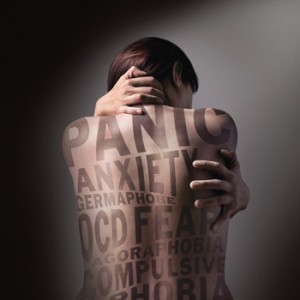

July 10 is designated as Panic Awareness Day.
As part of creating awareness, Sadag will be holding a Facebook Friday chat on July 11 with Psychologists Tyrone Edgar at 1pm and Dr Colinda Linde at 7pm.
“This is a way for people, who cannot easily access help due to cost, to get free advice and gives them the opportunity to start taking steps to better health,” says Sadag founder Zane Wilson.
Wilson founded Sadag 20 years ago after panic attacks ultimately resulted in suicidal feelings due to no appropriate treatment.
When she finally got the right treatment she was well within four weeks and was encouraged to start a small support group.
From the very first meeting, held at the Sandton library, which had over 60 people present, little by little they added helplines, support groups, brochures, talks by experts and professional board members, to where Sadag has now grown to great heights.
It is now an influential mental health NGO in Africa, with a 15-line counseling call centre, comprehensive website, outreach programmes, and a newsletter that reaches over 20 000 people.
“Panic attack symptoms are diverse, and are usually associated with abrupt episodes of fear,” says Wilson.
“Some of the most common symptoms are a need to escape, heart palpitations, light headedness, dizziness, sweating, wet palms, trembling, shortness of breath, fear of losing control or dying, fear of driving, eating in restaurants or getting into elevators.
“However many symptoms are similar to real illnesses and often they should have basic check-ups by their GP. It can also result in many visits to the emergency room.
“Anxiety is a normal part of living. It’s the body’s way of telling us something isn’t right. It keeps us from harm’s way and prepares us to act quickly in the face of danger.
“However, for some people, anxiety and fear are a persistent, irrational, and overwhelming feeling.
“It may get in the way of day-to-day activities, such as even going to a bank or cinema. These may be signs of an anxiety disorder.
“The more severe they get the less likely they are to go out the house and can result in becoming housebound for many years.
“Treatment is now easily accessible and the Sadag referral list is comprehensive. There are even free online help programs.”
Peter Matlaela, an educational administrator who started two groups to help his community says: “Every community can get help; even in my remote area we have helped hundreds of people over the last 16 years”.
Peter developed his panic attacks after being in a taxi accident, and is now is helping communities in Siyabuswa.
“Many people suffering from panic attacks don’t know they have a real and treatable disorder and help is at hand,” says Wilson.
Self-help tips on coping with panic and anxiety:
* Breathe properly. When we are stressed or anxious, we can learn to breathe differently. Inhaling slowly through your nose to a count of four, hold your breath for four counts and then slowly exhale through your mouth until there is no air left. Repeat.
*Avoid caffeine. Substances like caffeine, and some weight loss medications can cause acute anxiety. Even a dentist’s numbing injection and some anti-malaria medications contain stimulants and can trigger an anxiety attack, so always check with your pharmacist before you take anything.
* Get educated. Learn about what anxiety really is and coping skills on how to deal with it and what can trigger it, what treatments are available, and how you can access help to become anxiety-free.
* Stay connected to others. Social support is vital to managing stress while talking with others can do a world of good.
* Write it down. Make a simple list of the things that are causing you stress. Prioritise them and write down some solution options. Simply writing down the things that you are feeling stressed or anxious about can put life in perspective.
* Accept your anxiety. Admitting that anxiety is part of life, that you have your own limits and triggers, is a giant step in coping with it.
Those who need help, visit www.sadag.org and www.thoughtsfirst.com or contact Sadag’s helpline on 0800 21 22 23..