Be a responsible gambler or seek help
While addiction to drugs and alcohol keeps making the news, often one forgets that there are other addictions that are just as devastating, such as gambling.
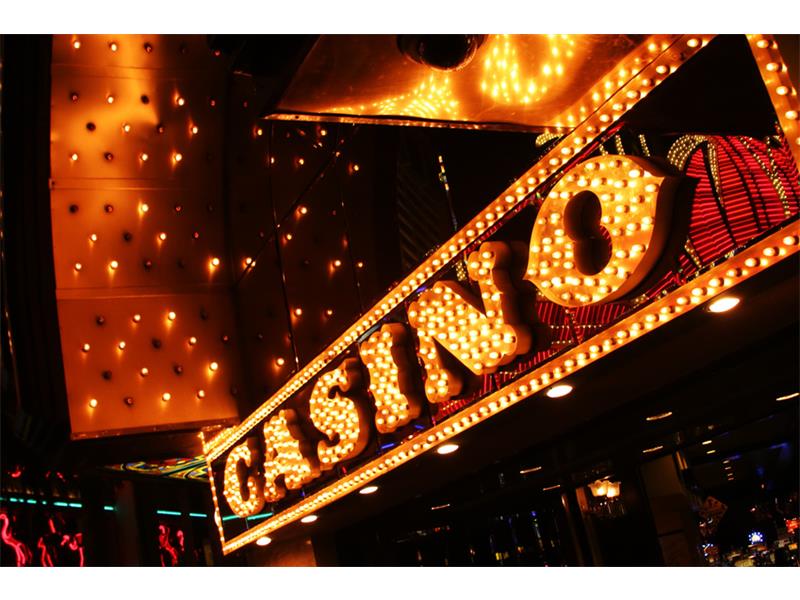

Gambling on the East Rand is huge, as it features a number of casinos, but while it can be fun for many, it can also be very addictive.
According to the National Responsible Gambling Programme (NRGP), problem gambling is fairly evenly spread across the country, and the East Rand does not particularly stand out.
“Those who contact our counselling line to get help tend to be concentrated in the bigger centres, such as Cape Town, Durban, Pretoria and Johannesburg,” says Laghlan Peddie from NRGP.
Peddie says the programme runs public awareness campaigns on radio, print and TV and is also involved in various other interventions.
“We run workshops and training for casino staff to recognise and act on excessive gambling, together with other methods.
“We also have an extensive schools programme and youth workshops to educate learners and students on avoiding risky behavior,” explains Peddie.
According to Peddie, it is not the duty of a casino or its staff members to keep an eye on problem gamblers.
“The staff is trained to recognise the signs of excessive gambling, but it is not obligatory for them to confront such a person,” she says.
Below are the findings of a study based on gambling, which was conducted by the South African Responsible Gambling Foundation:
* Non-gamblers are those who don’t gamble at all on any form of gambling, including the lottery. This group was estimated to constitute about half the South African population in 2009.
* Recreational gamblers are those for whom gambling is a harmless recreation, and who do not spend more time or money on gambling than they can comfortably afford. Their gambling activities cause little harm to themselves or their loved ones, and their behaviour is associated with minimal guilt. This group was estimated to constitute about 47 per cent of the SA population.
* Problem gamblers demonstrate gambling behaviour that creates negative consequences for themselves, for others in their circle of friends and family, or for the community. Using the Canadian Problem Gambling Index, this group constitutes around 2.5 per cent of the South African population.
* Pathological or compulsive gamblers have a psychiatric disorder diagnosable by strict clinical criteria. It is regarded as a disorder of impulse control and has a very poor prognosis. Such gamblers are unable to control their gambling, leading to significant damage to themselves and others. They are often very difficult to treat. The group constitutes about 0.5 per cent of the SA population.
A recovering gambling addict from Gamblers Anonymous, says there are people who can gamble responsibly and others who just can’t.
He has been clean for four years, and is now a volunteer for Gamblers Anonymous.
Gamblers Anonymous is a fellowship of men and women whose primary purpose, is to offer each other support to stop gambling, and to help other compulsive gamblers do the same.
“Gambling is like a disease, you can’t cure it, you can only manage it for the rest of your life,” he explains.
The only requirement for membership in Gamblers Anonymous is a desire to stop gambling.
According to NRGP, these are the signs of a compulsive gambler:
* Needs to gamble with increasing amounts of money in order to achieve the desired excitement.
* Is restless or irritable when attempting to cut down or stop gambling.
* Has made repeated unsuccessful efforts to control, cut back, or stop gambling.
* Is often preoccupied with gambling (such as having persistent thoughts of reliving past gambling experiences, handicapping or planning the next venture, thinking of ways to get money with which to gamble).
* Often gambles when feeling distressed (such as when feeling helpless, guilty, anxious, depressed).
* After losing money gambling, often returns another day to get even (“chasing” one’s losses).
* Lies to conceal the extent of involvement with gambling.
* Has jeopardised or lost a significant relationship, job, or educational or career opportunity because of gambling.
* Relies on others to provide money to relieve desperate financial situations caused by gambling.
* Relationships break down because of debt and dishonesty.
* Secretly sells assets for no apparent reason.
* Often engages in illegal acts such as fraud or theft to get money to gamble.
Gamblers Anonymous hold meetings in the East Rand every Tuesday, if you would like more information you may contact them on 078 528 6583 or 078 789 0868.
You can also visit the NRGP website on www.responsiblegambling.co.za for more information on gambling.