Dos and don’ts of first aid for burns
In any emergency situation the most important thing to do is contact the correct emergency number immediately.
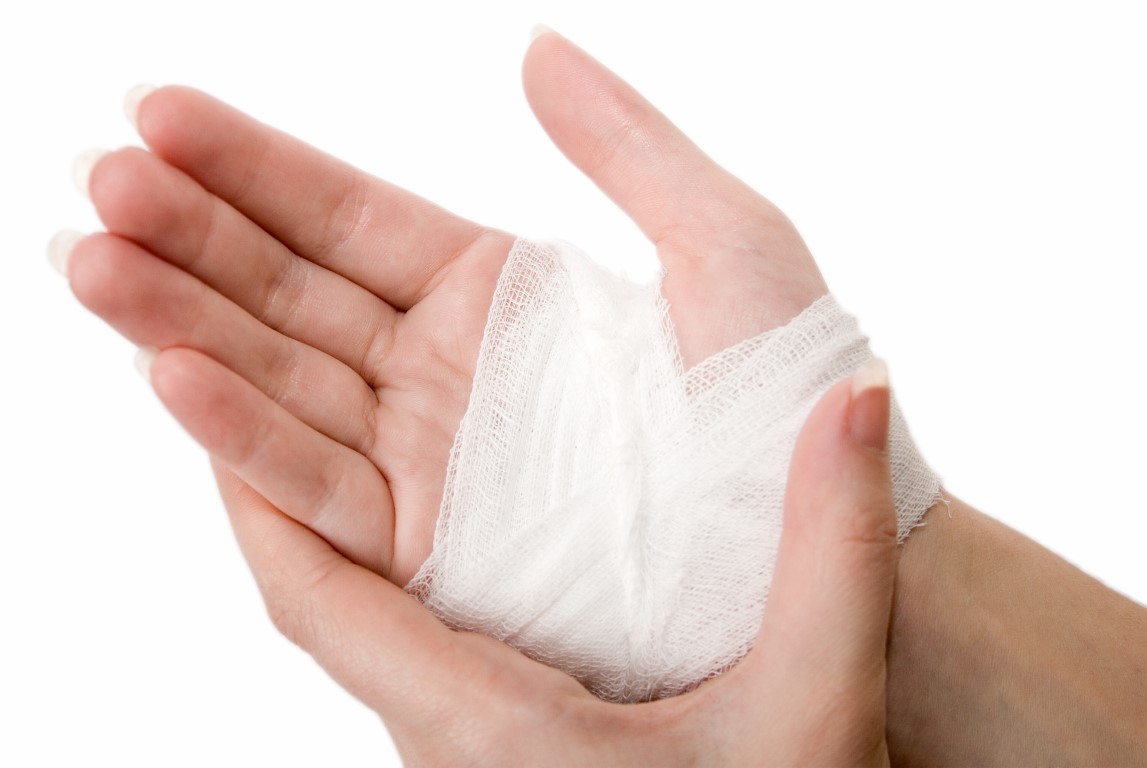

One should remain calm and extinguish flames in an event of a burn.
This is according to David Stanton, head of clinical leadership at Netcare 911. He provided several tips on dealing with a medial emergency involving burns.
“If a person’s clothing has caught alight, they must stop, drop and roll to extinguish the flames. In an emergency when clothing is on fire, action must be instinctive and immediate and so everyone should know the principle of ‘stop, drop and roll.
- Stop because running will fan the flames
- Drop to lie flat on the ground, and cover your face with your hands for protection
- Roll over and over to smother the fire until it is extinguished*
How severe is the burn?
Don’t underestimate the severity of a burn. Rather, consult a medical professional.
Superficial partial thickness (first degree burns): These burns are painful and red. Sometimes blisters may form. However, they usually heal with little or no scarring.
Deep partial thickness (second degree burns): Severe pain, skin discolouration and blisters, often with scarring, are characteristics of these burns. Seek medical advice.
Deep thickness (third degree burns): These burns cause deep damage to all three layers of the skin. They destroy hair follicles, blood vessels and nerve endings. The burns victim may also experience breathing difficulties and circulation problems. Seek immediate assistance from emergency medical services or a trauma facility equipped to deal with burn injuries.
Look after your own safety
Stanton said if the patient has an electrical burn and is still in contact with the electrical source, switch off the electricity before assisting them.
“If you cannot switch off the electricity, use an object that does not conduct electricity, such as a wooden broom handle, to separate the person from the power source.
“When extinguishing flames on a person, be careful that your own clothing does not catch fire. In the case of a chemical burn, use protective eyewear and gloves to ensure that you do not get the chemical on yourself.
* Cool the burn area
Run cold water over the affected area for at least 20 minutes in the case of minor to moderate burns. This may help to limit the damage to deeper skin tissues, and is also effective for chemical burns, as the water can help to dilute the harmful substance.
* Call for advice and assistance
Call an emergency medical service provider as soon as it is practical to do so. As each burn is different, give the call taker at the emergency operations centre as much information as possible. This will help them to give you the most appropriate advice and assistance.
Wrap the victim in a clean sheet and take them to a medical facility or wait for an ambulance, whichever will be quicker and more appropriate in the circumstances.
* Smoke inhalation
One of the leading contributors to death and/or disability is smoke inhalation. Even though fire victims may not present with physical burns they may have inhaled poisonous gases released during a fire.
The combination of noxious gases as well as heat can lead to inhalation burns and respiratory injuries that may not be readily apparent. All victims who have been present during a fire with smoke need to be evaluated as soon as possible to prevent secondary complications.
* Don’t attempt to apply any substances to the burn
“Do not put ice on the burn, as this can further damage the tissue. In the case of extensive burns, do not cool with water for too long because this could cause hypothermia,” said Stanton.
“Do not put oily substances, pastes, turmeric, egg white, toothpaste or topical ointments on the burn, nor press cotton wool or fluffy material directly onto the burn as this could increase the chance of infection.”
“However, you can use a burn dressing or ointment recommended by a pharmacist, and this should be covered with a bandage or cling film to prevent infection.
“Never peel off or open blistered skin, as this could expose the area to infection.
“In the case of burns, the first thing to do is to remove the patient from the source of the burn. Hold the burnt part of the body under running water until it becomes less painful.
“Do not use ice or hot water – the normal cold water tap provides the ideal temperature. Finally, cover the burn with a hydrogel dressing. As a general rule, burns bigger than the patient’s hand should be seen by a doctor in a hospital,” explained Stanton.
ALSO READ:
What to do when faced with a medical emergency
Follow us:
For more #hyperlocal news at your fingertips, visit Benoni City Times, Springs Advertiser, Brakpan Herald, African Reporter and Kathorus Mail.