It’s National Obesity Week: More women than men overweight in SA
The latest South African Demographic and Health Survey, conducted in 2016, has revealed that 68 per cent of South African women, 31 per cent of men and 13 per cent of children are overweight.

It also indicates that four in 10 people are considered obese and one in five women qualify as severely obese.
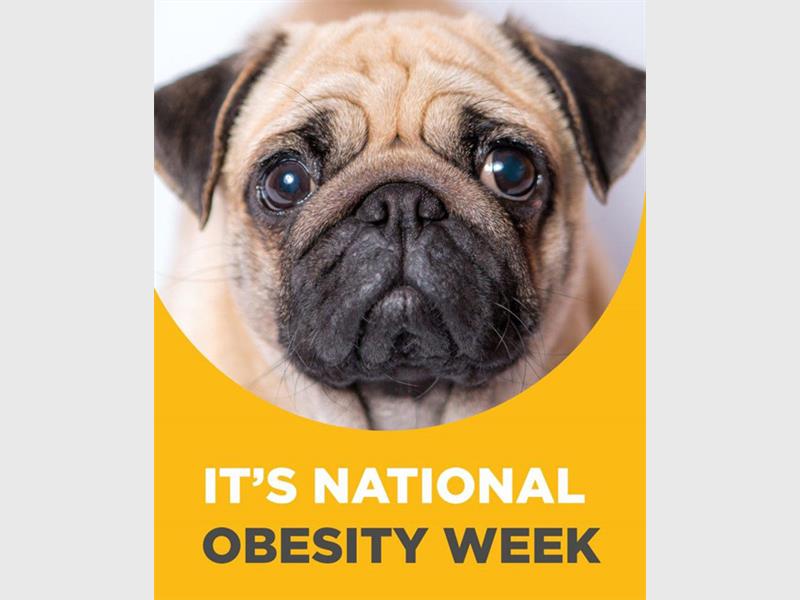
To commemorate the impact of obesity on South Africans, National Obesity Week was started to follow World Obesity Day on October 11.
National Obesity Week, October 15 to 19, is a government-backed initiative to raise awareness among South Africans of the health risks associated with being overweight.
It aims to encourage South Africans to take more responsibility for their health and well-being.
Obesity is a condition where a person has too much body fat and it might have a negative effect on their health.
If your Body Mass Index (BMI) is between 25 and 29.9 you are considered to be overweight, whereas if it falls above that, you are considered to be obese.
While obesity is seen as a sign of wealth and prosperity by some South Africans, the reality is that it’s life-threatening.
It’s one of the leading causes of type two diabetes, hypertension, strokes and cancer.
The rise in the country’s obesity rates has been attributed to several factors, including the increasing urbanisation of our population, higher levels of disposable income that’s spent on unhealthy food and alcohol, fast-paced lifestyles and increased inactivity.
So, what can be done to change this global epidemic?
We have to start making lifestyle changes at every level – individual, family, community and policy level.
As South Africans, we have to fight against obesity by promoting healthier eating and cooking; promoting an increase in physical activity and support gyms and events such as Park Run or physical activities at schools; preventing obesity during pregnancy and early childhood and increasing access to weight management services and professionals such as dietitians.
Some other ideas to fight obesity are getting involved with policies that tax unhealthy food and subsidise healthier food choices; supporting stores and restaurants that focus on healthy foods, eating and getting involved with initiatives that will place pressure on food manufacturers to limit the marketing of unhealthy foods.
(Info: Cambridge Weight Plan, issued by QL Consulting).