Youth debt crisis – a cause for concern
Recent press reports indicate South Africans are suffering from the effects of the highest unemployment rate since September 2003.

Of the 433 000 people joining the unemployment stats, a staggering 58 per cent of that number are young people between the ages of 15 and 34.
Based on these stats, the Credit Ombud office recently carried out a survey with 250 young people and confirmed there is indeed reason for concern.
Alfred Ramosedi, African Bank group executive sales and marketing, agrees, saying when one considers that youth unemployment is sitting at 34,2 per cent, it is indeed concerning as this is the time when financial discipline really needs to start
being embedded.
The survey shows that most of these young people already have debt and have opened accounts from as young as 18 years old.
“We are concerned to see just how many people from the report are taking out credit to fund their lifestyles and are not even aware that they are already blacklisted by the Credit Bureau,” he said.
Ramosedi shared the concern of the Credit Ombud in terms of how this irresponsible spending and credit behaviour will impact on their ability to secure future employment.
“We know from our own records how many prospective employers will check credit profiles as part of the recruitment process, and it is highly concerning to think many of these talented young people may lose out on their dream position because of the way they are currently mismanaging their funds.
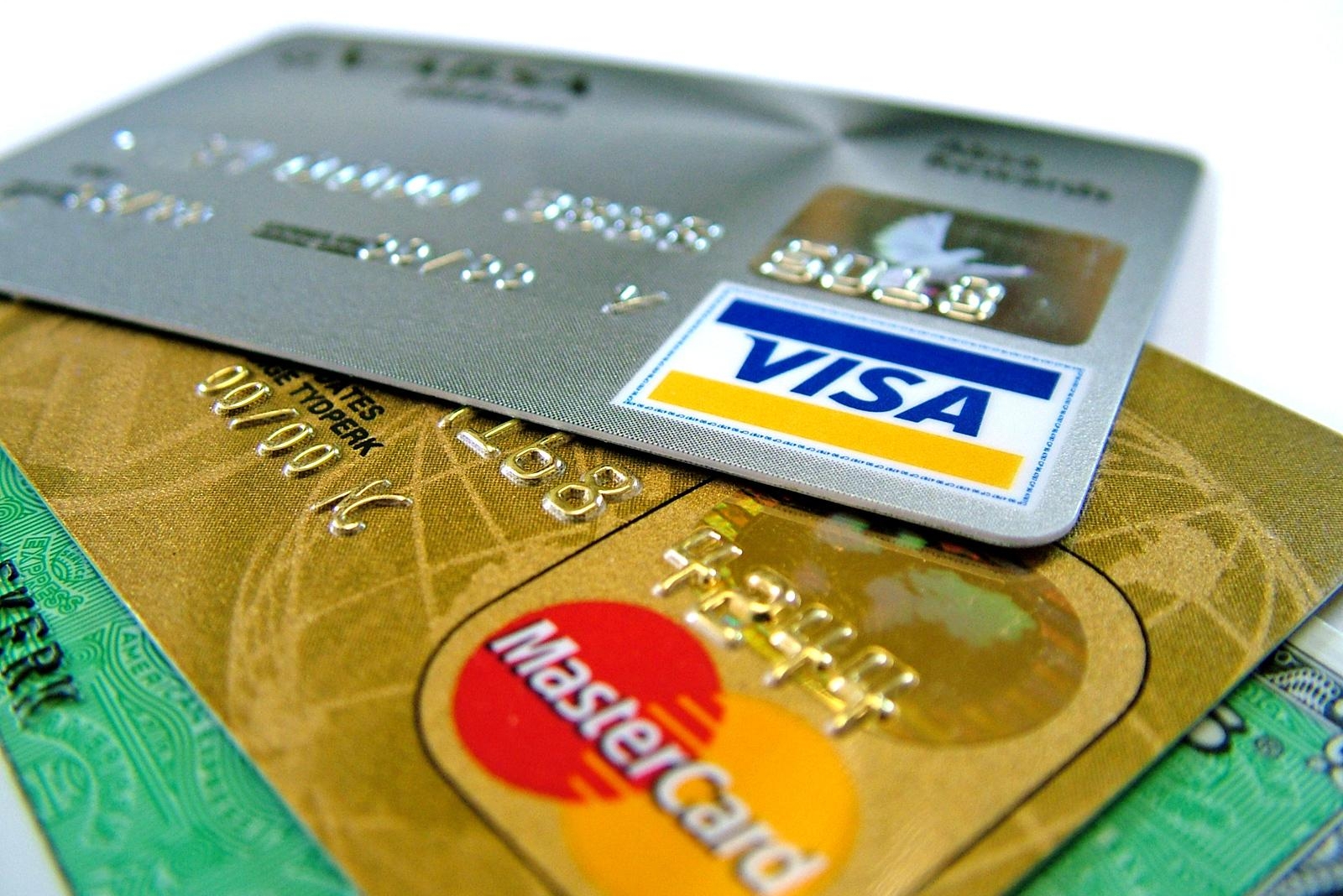
Swiping your credit card for all sorts of unnecessary and extravagant purchases may be a lot of fun but beware … it can ruin your life
- Credit score
Ramosedi said that overspending leads to a poor credit score.
He explained that everyone has a credit score, and this credit score reflects how reliable or unreliable you are when it comes to keeping up with your monthly payments.
A credit score is based on how many accounts and credit cards you have opened, the total value of your debt and how you repay your debt.
“If you neglect your repayment commitments you could be in for a nasty surprise later in life. No financial institution is going to grant you the loan if you have a history of bad debt.”
Tips to help you get back on the right track and out of debt:
- Check your credit profile: You can do your own credit check free of charge every 12 months through one of several credit bureaus such as: TransUnion, Experian, Xpert Decision Systems or Compuscan.
- Know your debt: Understanding your debt is the first step towards getting rid of it. List your credit card debt, your monthly debit orders and various other amounts that you owe. Set deadlines for yourself and ensure that you pay more than the minimum amount that is due. This will ensure that you knock down some of your interest and make a dent in the total amount that you owe.
- Don’t ignore your creditors: If necessary, negotiate with your creditors and come up with a mutual agreement with regards to a payment plan. Once you have this plan in place, ensure that you pay off the required amount in full and on time. By missing just one payment, you could instantly destroy the progress that you’ve made on your score. If you know that you will not be able to make a payment on time, it is essential that you notify your creditors immediately.
- Start budgeting: As a reformed spender, you will need to ensure that you include budgeting into your financial planning. Although it may take some practice, it is imperative that you start practicing smarter spending habits. Jot down your monthly budget and stick to it
“It is never too late to begin working towards an improved credit profile and becoming financially independent.
“After all, it could be the difference between you being able to purchase your dream house, finance a vehicle, pay emergency medical expenses or pay back your study loan.
So, importantly, one needs to track, describe, budget and plan every month. Remember it’s the fixed expenses, like rent, car payments and study loan repayments that are easy to work out. It’s the flexible expenses, like food, clothing and entertainment, which are often the money-gobblers and which need the most scrutiny and discipline
Some of the answers why the youth are using credit for:
“We want to look good and have money.”
“I wanted clothing for special events and did not have the money to buy them.”
“To study.”
“I wanted a credit card and a cellphone.”
“I was unemployed so I needed some money.”
“Family emergency and I had no funds for it.”
“Because I was unemployed I needed the money.”