Infrastructure upgrades to cost around R3.5-billion to address burst pipes
In reaction to the numerous complaints of pipe bursts in Ekurhuleni, the metro has reacted by saying that many times this is a result of sewer blockages.
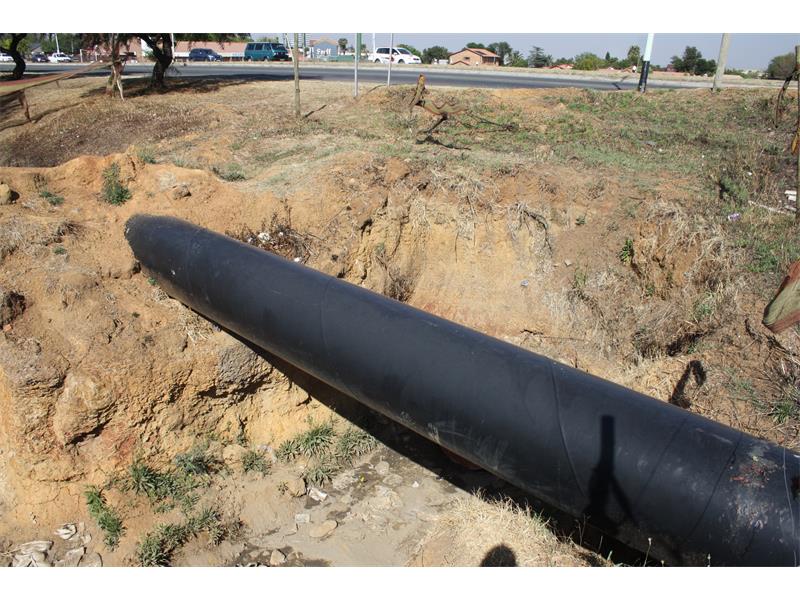

And such blockages are caused by several factors.
According to the metro’s spokesperson, Themba Gadebe, the following factors need to be taken into consideration:
* Increase in population
The metro been experiencing population growth at a rate of 2.5 percent over the last 10 years.
The problem of population growth is particularly acute in high density townships, as there are always some backyard households not ordinarily accommodated in the design of the sewer infrastructure.
This results in massive pressure on the sewer system.
* Disposal of insoluble materials
There is rampant disposal of solids and plastics in the drainage system.
Sewer blockages are thus caused by items such as cotton wool, rags, spoons, newspapers, clothing, and sand used for scouring. These items get trapped in the system. This abuse of the system triggers blockages.
This abuse is often confirmed whenever there is a blockage as heaps of sand is retrieved from the system.
* Old infrastructure
The metro is sitting on at least R700-million worth of overdue sewer infrastructure upgrades and replacement. The implication of having such a huge backlog is that infrastructure that has outlived its usefulness continues to render service, notwithstanding the poor service arising from the use of such infrastructure.
* Vandalism of the system
A few select residents are also in the habit of stealing manhole covers for recycling and generally vandalising the infrastructure.
When manhole covers are stolen, solids then fall into the sewer which causes sewer blockages. Residents also throw solids and plastics directly into the manholes.
Gadebe said in terms of the way forward, the metro continuously anticipates all infrastructure upgrade requirements and thus updates its infrastructure plans annually.
“To this end we have identified sewer upgrading and replacement programmes with a total value of R3.5-billion. Priorities have been identified based on the frequency of pipe bursts.
“The metro is actively finalising a grand programme to address all immediate and medium term infrastructure upgrading and replacement backlogs.
“Notwithstanding this mega programme, all blockages will be attended to within 48 hours in terms of our service standards.
Regarding the disposal of materials, Gadebe said the metro continues to engage communities through various mediums in order to educate the public about the correct use of sewer infrastructure.
“In addition, bylaws are in place and are continually enforced as part of our second tier approach to curbing the abuse. The media is also encouraged to educate the public about the same.
“Irrespective of the many programmes and projects underway, the metro commits to respond and resolve any pipe blockages within 48 hours.”
Accordingly therefore, the public is encouraged to report all incidents through the call centre by dialling 0860 543 000 with any complaints.
Also read other stories on burst pipes:
Water keeps pumping out of burst pipe; specialised clamp required
Metro responds quickly to fix burst pipe in busy road
Man dies still waiting for metro to fix burst pipe
Nine weeks later and burst pipe is finally repaired