
I read with interest Paul Nel’s letter, ”Kyk hoe het ons stad verval”.
He is quite right; the City of Ekurhuleni faces many challenges, in fact I am concerned that residents are not always fully aware of the impact of some of the challenges the metro faces.
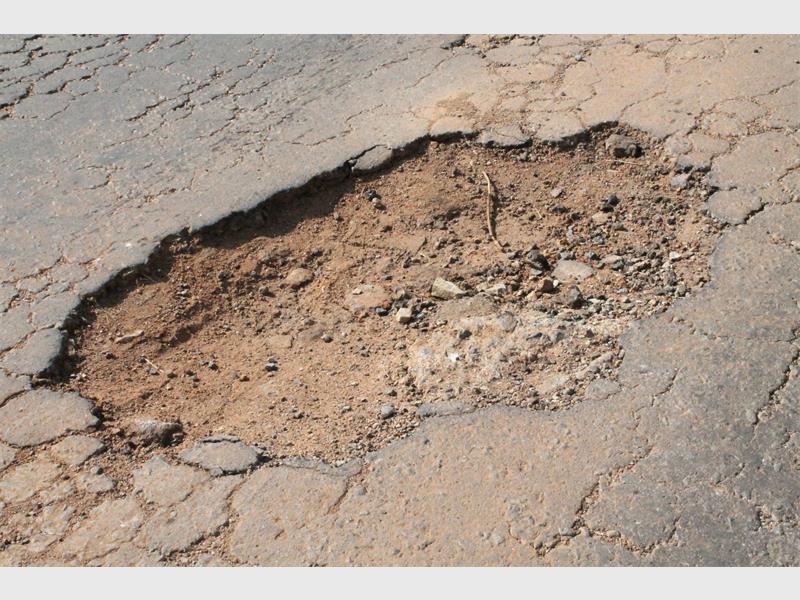
The current government failures are a part of everyday life which we have become so accustomed to but we shouldn’t settle for such failures.
Rogue drivers speak to the lack of proper traffic law enforcement, illegal building to the lack of by-law enforcement and the ever present threat of load shedding to name just a few.
The DA has a proven track record in both local and provincial government of doing better and providing more services to more residents.
No DA municipality is perfect, but what is important is that the DA is moving in the right direction, step-by-step, to improve service delivery and create jobs.
Currently, DA councillors in Boksburg work tirelessly, requesting all manner of important repairs, maintenance and upgrades. Daily they face the challenge of working with officials in a system that is broken.
The worse the metro gets, the more work is created for councillors.
When the DA takes control of a metro it knows the importance of getting the basics right, like putting in place proper systems that would ensure regular maintenance, such as grass cutting and refuse collection.
A well organised back office system would also make reporting broken street lights and traffic lights simpler and would free up ward councillors to allow them to address the larger projects in the ward.
Everyone has heard the DA tell the Cape Town story but there is a lesser known story which is more illustrative of the differences between the governing styles of the two largest parties, the story Nokeng Tsa Teamane.
This story shows the massive differences between the two largest parties’ systems of government.
In 2001 the DA took control of Nokeng, which had just about collapsed under government rule.
Eskom was about to cut the power because of an R11-million unpaid electricity bill. The DA team went to work and in the five years they were in power the party built the systems and physical infrastructure necessary for a workable administration.
Good governance and financial management saw the DA pay Eskom R9-m of the R11-m the municipality owed the parastatal, while it managed to upgrade the infrastructure that had been left to decay under the previous administration.
A new sewerage works was built, the Refilwe community hall was refurbished and the water and electricity infrastructure was expanded, while around 2 000 RDP houses were built in three years.
But, because elections in the past were not about service delivery, the government won in the 2006 local election in Nokeng.
It wasn’t long before the municipality was bankrupt again and had to be bailed out by the Gauteng provincial government at least three times.
In four years, only 78 houses were built; infrastructure was again neglected.
During one month the municipality didn’t send out any bills, because it didn’t have the money to pay for postage. After the 2011 election Nokeng was absorbed into the Tshwane Metro.
More and more since then elections have been about service delivery and DA councillors in Boksburg and the rest of Ekurhuleni have a plan to put the broken things back together.
The DA in Ekurhuleni is more than capable of taking control of the Ekurhuleni Metro in 2016.
The councillors are not only aware of the metro’s most pressing problems, but they have the support of party structures who have faced these challenges before and have tried and tested methods of getting the basics right and the capability to turn Ekurhuleni around.