Tyre tips to keep motorists safe
While the country is continuously working to provide the best transport infrastructure, an area that has continued to be a challenge is the high number of road accidents caused, in most cases, by irresponsible drivers.

According to Phumla Williams, acting CEO of the Government Communication and Information System (GCIS), apart from the tragic loss of life and devastation caused to families, road accidents are estimated to cost the economy R306-billion a year.
“These accidents can often be prevented, as more than 90 per cent of them occur when traffic regulations are violated,” says Williams.
The Recycling and Economic Development Initiative of South Africa (Redisa) is encouraging all South Africans to change their behaviour and create safer roads.
Stacey Davidson, director at Redisa, says that, in December last year, Redisa undertook a consumer survey, whereby over 1 000 consumers nationally were questioned about their vehicle and tyre maintenance.
“The results were concerning, as an alarming 46 per cent of motorists check their alignment and balance only when they fit new tyres, and 56 per cent of motorists admitted that they do not carry a compressor, tyre pressure gauge or tyre repair kits in their cars for emergencies,” she says.
”Furthermore, once new tyres have been fitted, motorists are less likely to check their alignment.”
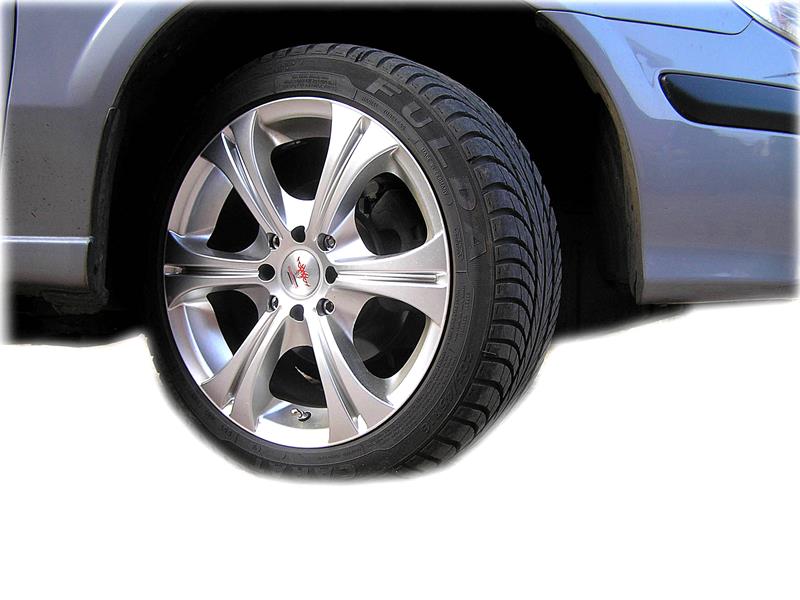
There are small habits that motorists can adopt to ensure that they remain safe on the roads. These include checking tyres regularly for punctures, cuts and bulges, to ensure that they are in good condition for the road.
In addition to safety, this will also ensure that the tyre lasts longer, leading to fewer new tyres bought as regularly, not only saving the consumer money, but also reducing tyre waste in South Africa in the long run.
Research findings indicate that while 76 per cent of drivers interviewed said they had changed their tyres in the past three years, there was a worrying 19 per cent of respondents who said they hadn’t.
Well maintained tyres will hold your vehicle securely on the road, allowing it to stop, start and manoeuvre safely.
For your own safety and that of others, your tyres must be in good condition, properly maintained and appropriate for your vehicle.
Around the globe, governments are enforcing stricter regulations on safe driving and vehicle protection. To meet these regulations and standards, businesses are increasingly looking at methods and technologies to reduce road carnage and the adverse impact it has.
Tyre tips:
* Check your tyre pressure on a cold start or before a long journey. You’ll find the correct pressure for your vehicle in your operating manual. In most cases it’s either under your fuel cap, on the inside of your door or in the cubbyhole. Then check your tyre pressure on a cold start or before a long journey.
* If your tyre’s side wall is damaged, replace it. Check regularly for any signs of irregular wear, any sharp objects lodged in the tread and any cuts, tears, cracks or bulges. Check for damage or uneven wear on all four tyres, on both sides of the tyre and on the wheel rims.
* Under-inflated tyres use more fuel, so check the pressure. You’ll need an accurate pressure gauge. Take off the dust cap on the valve, fix on the pressure gauge and take a note of the result. If your tyre needs extra air you should inflate it using an air pump at home. Under-inflated tyres use more fuel. If the tyre is over inflated, according to the pressure chart, you can allow air to escape while the dust cap is off.
* Check that your tyre pressure is correct and equal. Never rely on the eyeball method to gauge air pressure in tyres. Next to the vehicle’s brakes, the tyres are the most important safety parts of your car. If there is an imbalance in the tyre pressure there could be a risk when braking and negotiating corners. In addition to putting you in an accident risk, poor tyre pressure can also affect fuel economy, comfort and the life of the tyre.