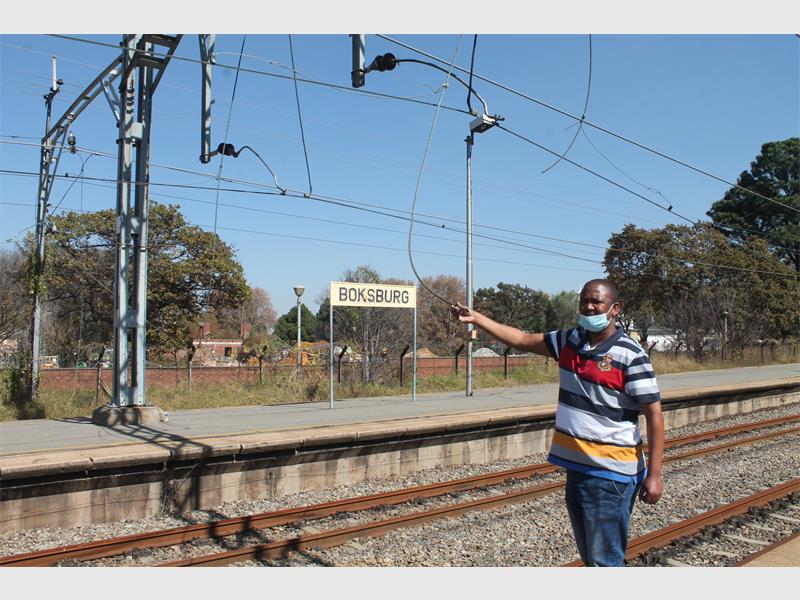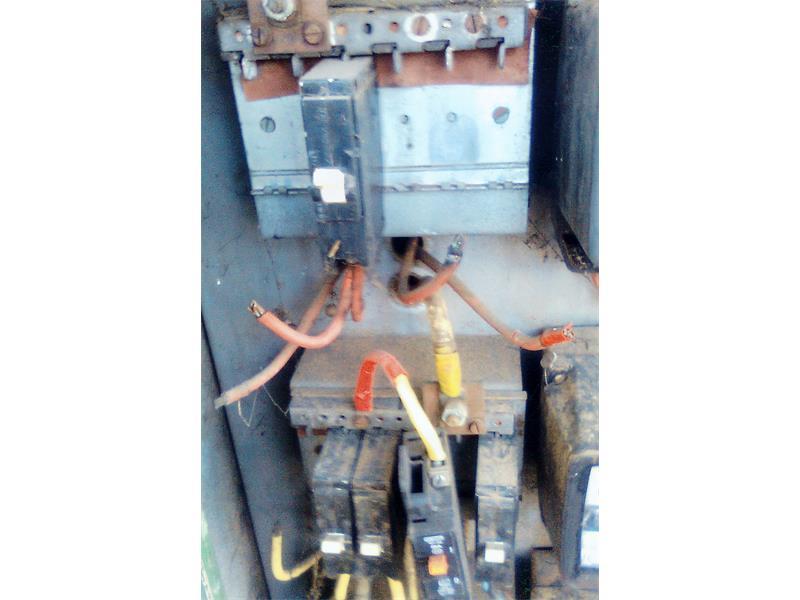

This comes after she received what she says is an incredibly high account.
“We have a timer that regulates the geyser. There is definitely something not right here. It was stated that we must have the meter checked, which we did – it was removed and changed. What more must we do to sort this out?”
Smith says there are only two people living in her house and they seldom cook, and hardly use heaters for fear that their electricity account will triple.
She says the matter has been going on since February 2010.
Smith points out that their factory bill is lower than their home electricity account.
“It seems like someone is stealing our electricity,” she complains.
Metro spokesperson Themba Gadebe says the electricity consumption of this client (Smith) was once again interrogated and an average daily consumption of between 29kWh and 37kWh was calculated from September 20, 2013 until June 27, 2014.
“This is considered below average when compared with other similar residential consumers of electricity. Also, one cannot compare the electricity consumption of a residential property with that of a big factory.
“The consumption patterns will differ and there might also be different tariffs involved for these properties,” says Gadebe.
Gadebe adds no further comments can be made regarding this allegation as more details and information will have to be obtained.
He says that the reason Smith is paying a high amount is that in terms of the Council’s Credit Control and Debt Collection Policy she entered into an arrangement to also pay an outstanding amount in premiums.
“This account has not been serviced sufficiently on or before the applicable due date and, therefore, the amount due and payable kept on increasing. It will be in the client’s interest to make the applicable payment in order to bring the account up-to-date. This will prevent that the applicable agreement be cancelled,” says Gadebe.
Smith begs to differ.
“Payment gets made every single month without fail, but when you keep getting an account that is R7 700 odd, then it’s a cause for concern,” she says.
Gadebe says various discussions, meetings, site visits and special meter readings have been conducted at Smith’s request.
“There seems to be nothing wrong with the meters and or readings that were obtained. Should the client still dispute the accuracy of the meters, they are invited to arrange meter tests in terms of the Council’s By-Laws and procedures,” he explains.
Gadebe says Smith should note that she will have to pay the applicable test fees that are due and payable.
“This is not recommended, as various exercises have indicated that there is probably nothing wrong with the meters.” – @TumeloBoksburg