Know your rights – looking at the Right to Equality
The Bill of Rights is contained in the Constitution of South Africa which came into force on February 4, 1997.
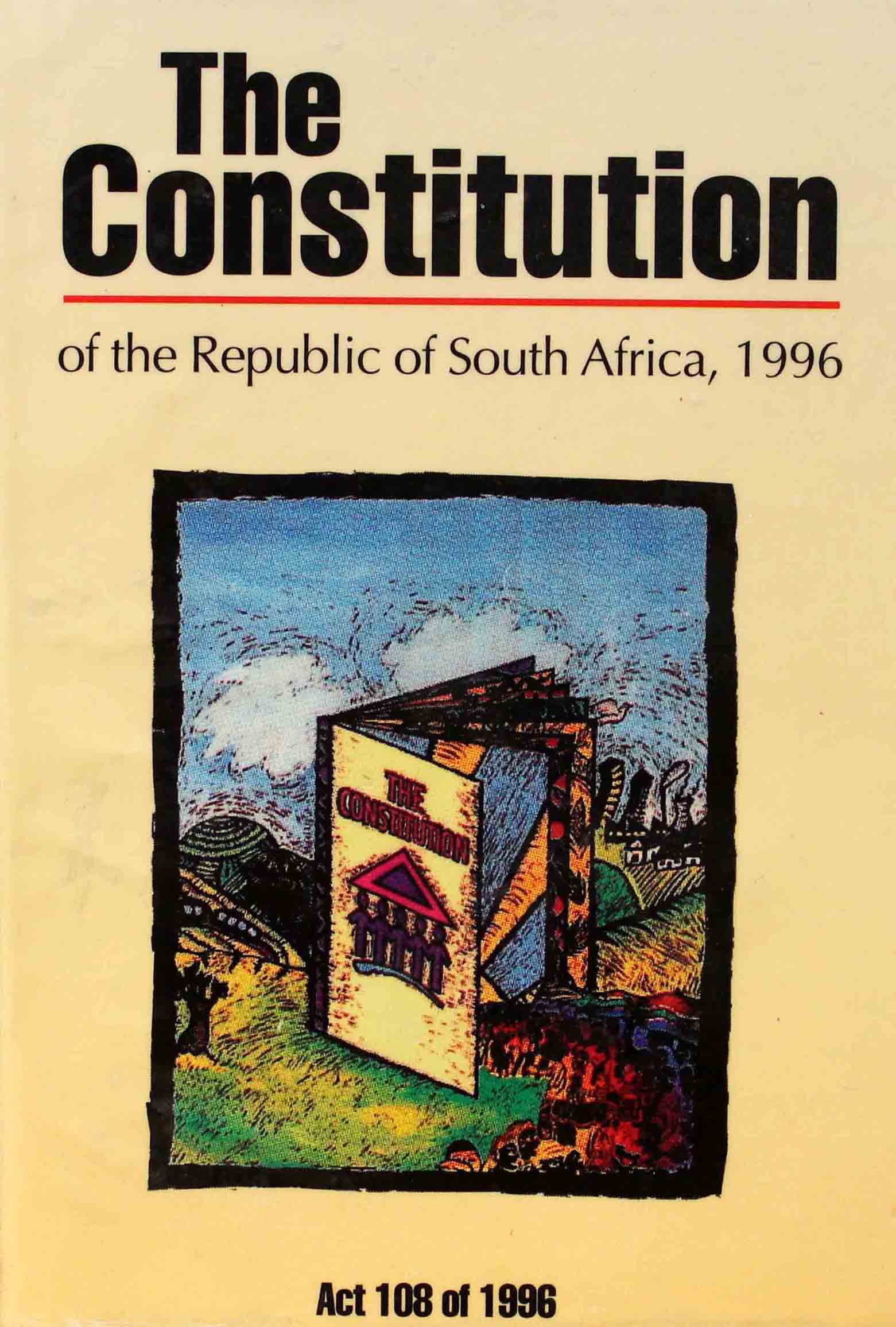

The Advertiser will be publishing a series of articles in which attorneys Malherbe Rigg and Ranwell Incorporated will attempt to introduce the various Rights contained in the Bill of Rights.
These rights bind all branches of Government, and in some cases, such as the right not to be Unfairly Discriminated Against, apply to the actions of all persons.
All Rights assume corresponding responsibilities and as will be seen, as the series unfolds, may appear in some cases to be contradictory.
The Bill of Rights is to be read in conjunction with the Preamble to the South African Constitution which reads as follows:
“We, the people of South Africa, Recognise the injustices of our past; Honour those who suffered for justice and freedom in our land; Respect those who have worked to build and develop our Country; Believe that South Africa belongs to all who live in it, united in our diversity.
“We therefore through our freely elected representatives, adopt this Constitution as the Supreme Law of the Republic so as to:-
Heal the divisions of the past and establish a society based on democratic values, social justice and fundamental rights; Lay the foundations for a democratic and open society in which Government is based on the will of the people and every citizen is equally protected by Law;
“Improve the quality of life of all citizens and free the potential of each person; and build a united and democratic South Africa able to take its rightful place as a sovereign state in the family of nations.
May God protect our people.”
This week, MRR focuses on the Right to Equality.
“Equality, rightly understood as our founding fathers understood it, leads to liberty and the emancipation of creative differences.” – Barry Goldwater.
The right to Equality, means that all citizens are equal before the law and no person may be unfairly discriminated against by any other person.
This right applies to all people and the State, and ensures that everybody enjoys every right, equally. The right to equality is arguably the cornerstone and foundation for all other constitutional rights.
The right to equality may be infringed in cases where a person is discriminated against based on their race, ethnicity, gender, religion, marital status, age, sexual orientation and even pregnancy, by either the state or another individual.
The consequences of such an infringement are that the person who suffers the infringement, the complainant, may approach the Equality Court to hear their complaint.
The Equality Act designates that all high courts and as of 2009, all magistrates courts, within the complainants area of jurisdiction are Equality courts.
A complainant may institute proceedings in their own interests or on the behalf of another individual or even a group of persons.
In any society, the right to be treated equally is of utmost importance but especially within the South African community, due to injustices of the past.
The Apartheid era leant itself to discrimination of great proportions based on race and ethnicity.
In a democratic society such as the one in which we find ourselves today, discrimination is no longer tolerated and we are all seen as a cohesive, “Rainbow Nation” where differences are accepted and celebrated.
* Compiled by Monique Milligan, Candidate Attorney Malherbe Rigg and Ranwell Incorporated.