Petrol price-rise causes havoc
A national strike by petrol attendants erupted on Monday, September 9, with workers putting the fuel pumps down and taking to the streets.
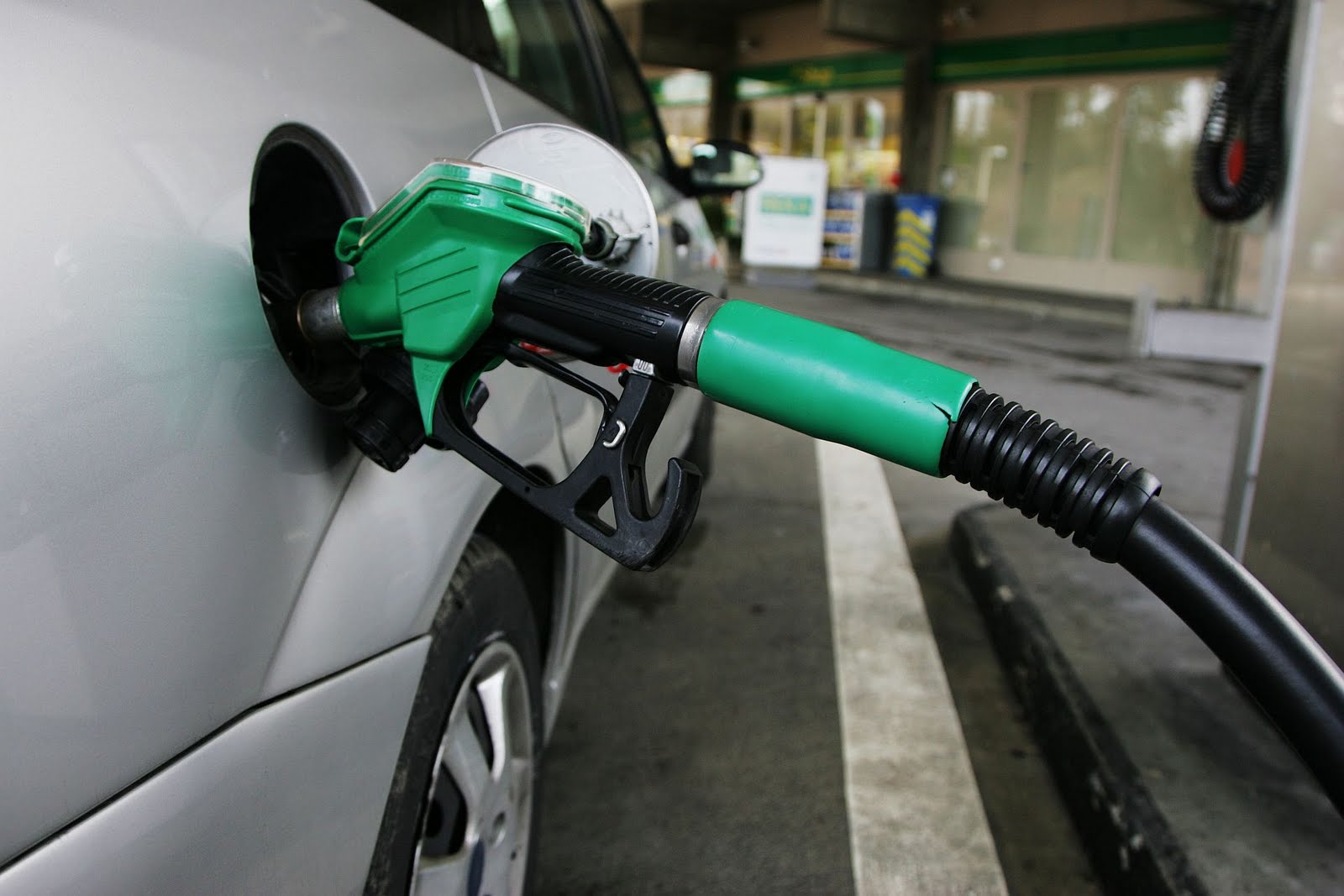

In the city of Ekurhuleni, workers were relentless with their refusal by the end of the week to go back to work unless they see a rise in their salaries.
Behind the mask of the strike staged by Numsa members, is, however, people who have been affected by the economic climate and who are struggling to cope with the rise in the cost of living.
Zanele Mathebula, who worked in casual clothes rather than uniform during the strike, said at a fuel station in Daveyton that surviving finically is becoming impossible due to inflation.
“When the level of inflation increases, everything else increases in price and petrol is no different,” she said.
“The problem is that our salaries remain the same when all of this happens and breaking even becomes an impossible task.
“I’ve been working for the garage for three years and we got an increase every September except this year. That’s why there’s a strike.”
With an average petrol attendant earning R700 per week, Mathebula dispelled the claims that they earn a lot.
“Our salaries have not been increased this year, because apparently we earn a lot, which is not true.
“We get about R60 increase every year, but it is just not enough. I have struggled to get good work, so I am broke,” she cried.
With the petrol price set to rise, taxi commuters are also set to feel the pinch in their pockets with taxi fares to and from Boksburg increasing as from month-end.
“The taxi fare is hard to afford, but at the same time you cannot blame the taxi drivers for increasing it, because they too are trying to keep up with the cost of living,” says Lucas Mofokeng who travels from Daveyton to Boksburg and back six times a week.
“I spend R30 a day, which makes it R180 a week, because I also work on Saturdays.
“I get an annual increase at work every June, and employers know that things are expensive, but the increase is not satisfactory,” he says.
A taxi driver who chose to remain anonymous for his safety, and who works from Boksburg to Dunswart, gave his view on how inflation affects taxi associations.
“The primary reason for taxi fare increase is the increase of petrol.
“There was a time that five years would pass without us increasing taxi fares, but times have changed and things have gotten expensive. We are forced to keep up by increasing fares,” he emphasises.
“Petrol now is about R13.37 per litre, and I am pretty sure it will reach the R14 mark by December.”