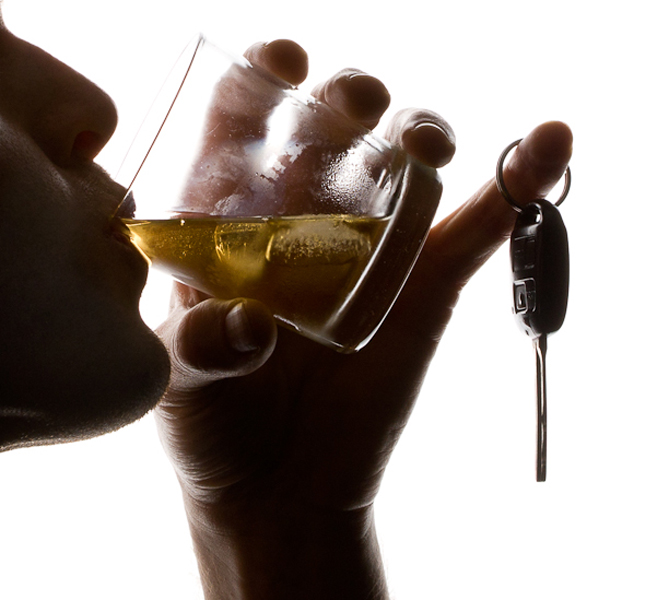

Scenario: It’s a Saturday afternoon and you’re at a get-together/braai with friends. The big game is on, the fire is going and the drinks are flowing.
After a dance and a few laughs, you decide to call it a night and jump in your car to head home, after all, it’s only five minutes away. As soon as you turn onto the main road, you see those flashing blue lights ahead of you.
The siren goes off. Before you know it, you’ve been breathalysed and put into the back of the police van. What do you do?
The general public is mostly aware of the risks and dangers involved in driving under the influence of alcohol. Your reaction times are substantially reduced, your vision is blurring and consequently, your ability to drive is impaired.
But, there are those who take the consequences of drunk driving too lightly, thinking “what could go wrong?” or who feel like they are completely fine to get behind the wheel or capable of driving.
The law in South Africa states that if a person’s blood alcohol limit is above the legally allowed limit, that person is prohibited from driving a car on a public road. Presently, the legally allowed blood alcohol content limit is 0.05 grams per 100 ml, which depending on size and weight is less than half a glass of wine.
Should you find yourself in a roadblock conducted by the SAPS or Metropolitan Police after having a few too many, the officer has the authority to decide whether or not to breathalyse you.
If the breathalyser test proves positive and you are over the limit, he or she is entitled to formally arrest and charge you with reckless and negligent driving and/or ‘drunk driving’, more formally known as driving under the influence of an intoxicating liquor. This list may not be exhaustive.
The police are then entitled to take you into custody and detain you at the closest police station, where you may be detained or taken to have a blood sample drawn at an alcohol testing center, which may be sent for analysis.
Only trained medical practitioners or registered nurses are authorised to draw blood samples in these circumstances. The accused person is not allowed to refuse to give blood, however, he or she also has the right to request that his or her doctor be present.
After that potentially sobering experience, you may be held in custody or detained for a maximum 48 hours after you have been charged. This 48-hour rule only applies to court days and not to weekends and public holidays.
Once the charge/s have been laid, the accused person will be brought before a court to appear or may be released on bail granted either by a police officer authorised to or a prosecutor on duty. The amount which will be set for bail (the sum of money you will have to pay to be released) and whether or not you will be released on bail depends on the circumstances of the arrest and the case.
Should bail be successfully granted, you will still be required to appear before court at a later stage.
In both instances, the state/prosecutor will have to prove its case against the accused beyond a reasonable doubt.
In the event that you are found guilty of drunk driving and/or reckless and negligent driving, you may face jail time of up to six years, or a maximum fine of R120 000, not to mention the negative consequences of a criminal record.
By law, you are allowed to contact one person, such as a family member or an attorney to assist you after being arrested and charged, it is also important to remain as composed as possible and to remember your rights.
We trust you have enjoyed this article and welcome you to contact us on 011 897 1900/076 777 1920 or info@tuckers.co.za
Article contributed by Stacey Bonser of Tuckers Inc.