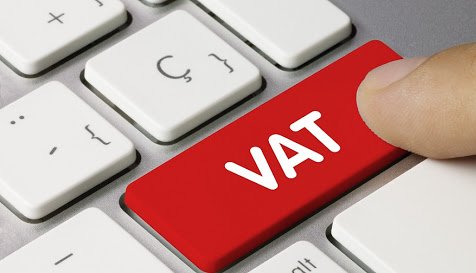

So there you have it … in a move that many financial experts were expecting, National Treasury has increased Value Added Tax (VAT) to 15 per cent from 14 per cent.
According to our finance minister, Malusi Gigaba, the tax proposals for the 2018 budget are designed to generate an additional R36 billion in tax revenue for 2018/2019.
VAT, of course, is an indirect tax, which means that the government gets money from the manufacture or sale of goods and services, rather from direct payments from the taxpayer.
This announcement is regarded as probably the worst kept secret, and yes, many are saying that the government had no choice even though this will continue to impact the poor.
We also have to keep in mind that government has not adjusted VAT since 1993, and it is still low compared to some other countries. The increase will take effect on April 1.
Treasury also considered the introduction of a tiered VAT system, but in the end said this would require further enforcement, more resources at Sars and could lead to legal uncertainty.
The VAT increase blow accompanies a number of other crippling increases to the already money-stricken citizens of South Africa.
This includes an increase in the fuel levy, which will go up by 52 cents per litre, and yes, personal tax.
While there is a lot of talk about the impact of a VAT increase, we have to keep in the mind that there are 19 basic food items which are exempt from this form of tax and that it is designed to ease the financial burdens of the poorest consumers.
This list was also set up to help people not to go hungry because of their limited budgets.
These goods (yes, print this list out and stick it on your fridge) are brown bread, maize meal, samp, mielie rice, dried mielies, dried beans, lentils, tinned pilchards and sardines, milk powder, dairy powder blend, rice, vegetables, fruit, vegetable oil, milk, cultured milk, brown wheaten meal, eggs, and edible legumes and pulses of leguminous plants.
I know this is a weird and strange list. I mean, seriously, pulses of leguminous plants? Who on earth came up with this list anyway?
This is basically what the government is telling its people to eat when the going really gets tough.
Problem is, has the government even noticed how expensive vegetables are, never mind eggs, pilchards and sardines? Thank you for exempting such items from VAT, but the poor are still paying an arm and leg for some of this stuff.
Needless to say, I hardly think those who are starving are considering ”pulses of leguminous plants”.
We can understand there are numerous factors that have impacted livestock, especially chickens, and subsequently the price of eggs, but really, how are the poor supposed to live on such food items anyway? At least bread remains affordable. Sort of.
However you spin it, VAT will have a major impact on households’ already tight budget while the implementation of the VAT increase for certain business will also be complex. Furthermore, the implementation date of April 1 does not leave much time for businesses to implement the necessary system changes and enhancements.
We are, of course, paying for an increase in VAT because former president Zuma has left a junk status economy in the hands of President Ramaposa. In addition, the government has decided to finance free education to the benefit of some first-year students.
According to the Growth Institute, the finance minister is, however, silent about the plight of near graduates who could contribute to the economy far quicker than first-year students will.
The institute has bemoaned government’s attempts to boost first-year graduates, while it is not a secret that the high dropout rate amongst first-year students has been going on for many years.
It is estimated that as many as 60 per cent of first-year students leave campus before the final exams, thus the government will be wasting its money.
The institute has therefore said that it remains a social injustice to ignore the plight of the near graduate in favour of a first-year student who could take as long as six years to complete a three-year qualification.
The The argument is that the plight of the near graduate must take priority.
So it is going to be an interesting year. And by the way, what is hilarious is that the government has said that despite the VAT increase, an increase in social grants will help many to cope.
Really? With that small increase in grants, households could probably only afford an extra sack of potatoes to feed the family. Get serious.
The reality is, it is time the President keeps to his word and addresses the bloated bureaucracy as expeditiously and efficiently as possible. It is time to cut the Cabinet, and hopefully, by the time this article hits the street, there has already been a move towards achieving this goal.
In addition, the government is going to have a tough time dealing with the unions who are crying foul that workers will be the victims of corruption and that Eskom and SAA are bleeding the state dry.
We will just have to wait and see how it all pans out after April.