Bird flu set to hit egg prices hard
In the Advertiser dated October 20, it was reported that a case of poultry affected by bird flu had been confirmed on a privately owned farm in Vredebos, near Vosloorus.
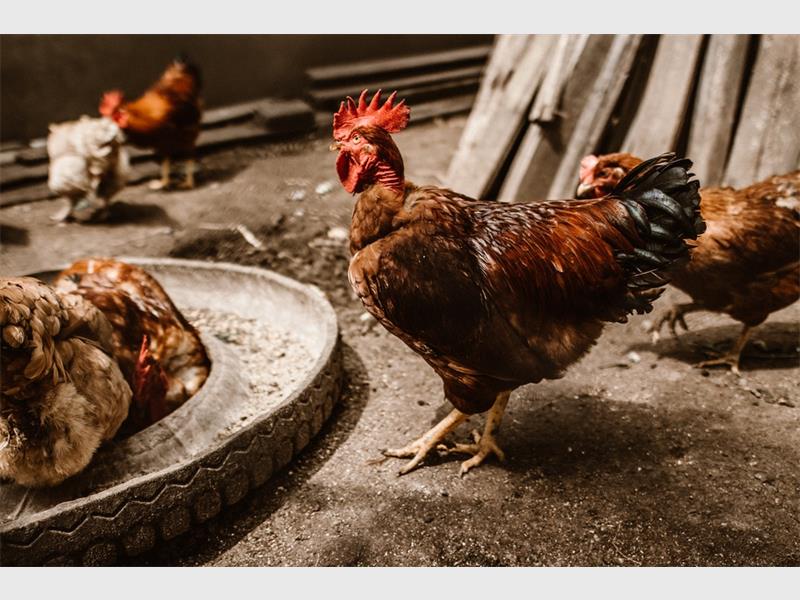

The MMC of economic development, environment, agriculture and rural development, Lebogang Maile, visited this farm on October 10.
The farm was severely affected by bird flu, with thousands of birds culled there.
In an update from the South African Poultry Association (SAPA), it is reported that the outbreak of bird flu has already wiped out more than 15 per cent of South Africa’s layer hens, with the prospect of hefty price increases due to the resultant shortage in table eggs.
Dr Charlotte Nkuna, interim CEO of SAPA, said the estimate is that more than four million chickens have been or are in the process of being culled.
“This includes almost four million layers, 360 000 broiler breeders and just over 31 000 layer breeders,” she said.
The layer flock stood at about 24 million before the outbreak of the bird flu.
Nkuna added that more than 23 commercial farms have already been affected.
According to agricultural economist Professor Johan Willemse, the shortage of table eggs could lift prices by 15 per cent to 20 per cent.
“Furthermore, as things stand, it can take anything from one to two years for the layer flock to return to levels they were before the bird flu outbreak, which means a prolonged shortage of eggs,” Willemse said.
Nkuna said the recovery depends on how quickly the chicken farmers are willing to risk repopulating.
“We anticipate that it will take an average of six months for the farms to be repopulated, some maybe sooner and others preferring to wait a bit longer.
“This also depends on the available funds to be able to buy the replacement stocks,” she added.
According to Nkuna, there are those who are considering importing table eggs.
However, the cost of air transport makes it somewhat uneconomical.
“And, if the cheaper option of sea freight is considered, the time it takes to transport by sea will make it very difficult to get the eggs to South Africa within the prescribed shelf life.”
Willemse said imports are problematic because of eggs being such fragile produce.
The highly pathogenic avian influenza (HPAI) H5N8 in chickens was detected in South Africa for the first time in late June in Mpumalanga, but has since spread to other provinces, including the Western Cape, Gauteng, KwaZula-Natal, the Free State and the Eastern Cape.
Liana Steenkamp from agricultural group Laeveld Agrochem said the H5N8 strain, which is usually spread by wild birds, does not pose a direct threat to humans.
Steenkamp added that the producers of chicken and eggs have had a torrid time in recent years.
“First we had higher feed prices the last two seasons because of the drought, followed by the increased import of chicken. And now the devastating impact of the highly contagious H5N8 bird flu.”
According to Steenkamp, the virus will also have a negative impact on the animal feed sector.
Based on figures from the Animal Feed Manufacturers Association, almost 65 per cent of last year’s animal feed sales went to the poultry industry.
The mass culling of laying hens will also affect South Africa’s export of table eggs to neighbouring countries, such as Botswana, Namibia, Mozambique and Zimbabwe.
Direct job losses due to the bird flu have already risen above 1 000, with further losses expected in secondary sectors.
The Western Cape government said last week that the outbreak in the province had already led to the culling of 2.4 million layers and 73 000 breeder birds.
Alan Winde, the Western Cape’s minister of economic opportunities, said the disease was spreading rapidly despite increased control measures.
According to SAPA, South Africa’s broiler and egg producers, in rand terms, make up the largest segment of South Africa’s agricultural sector, contributing 18 per cent of all agricultural production and 39 per cent of all animal products in 2016.
The beef sector is the nearest competitor, contributing 12.7 per cent to the turnover of all agricultural production and 27.5 per cent of all animal products.
Approximately 76 per cent of the birds in the South African poultry industry are used for meat production, while the remaining 24 per cent are used in the egg industry.
Data from SAPA shows that more poultry products are consumed every year than all the other animal protein sources combined.
The South African poultry industry last year provided 63.1 per cent of animal protein (excluding milk) consumed in the country.
The Department of Agriculture, Forestry and Fisheries’ data shows that the per capita consumption of poultry meat and eggs in 2016 stood at 39.04kg and 7.89kg respectively, with a combined per capita consumption of 46.93kg.
Per capita consumption of beef, pork, and mutton and goat were 19.47kg, 4.69kg and 3.40kg respectively.