Watch and listen: ‘Bulldog’ prosecutor Gerrie Nel shares insights at ERBW meeting
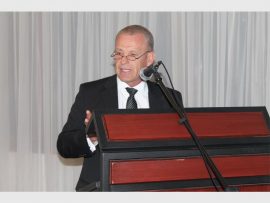
Gerrie Nel is famously known as the man who put Oscar Pistorius behind bars.
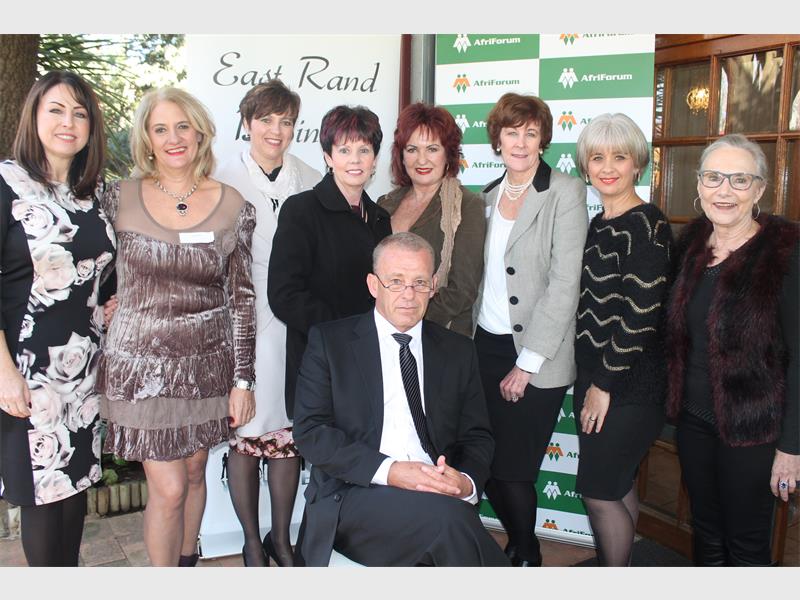

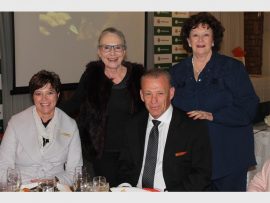
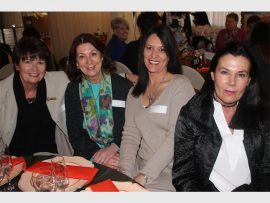
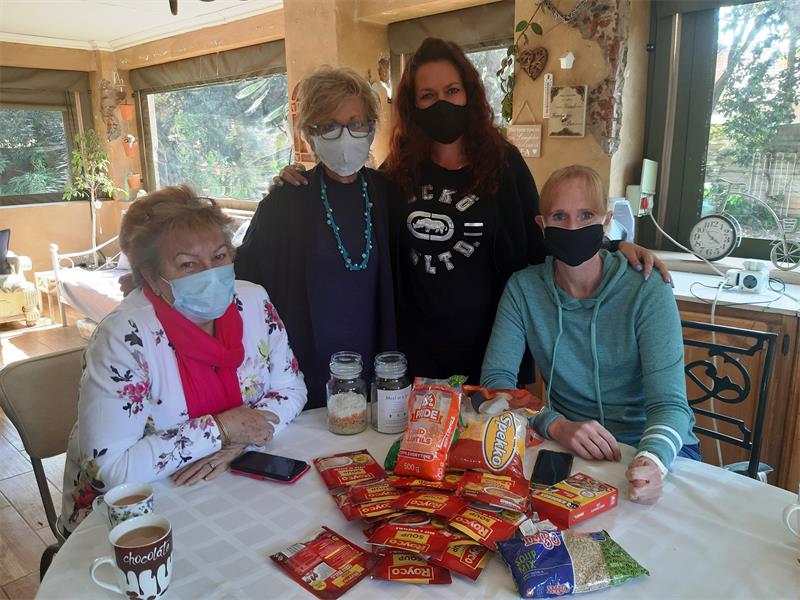
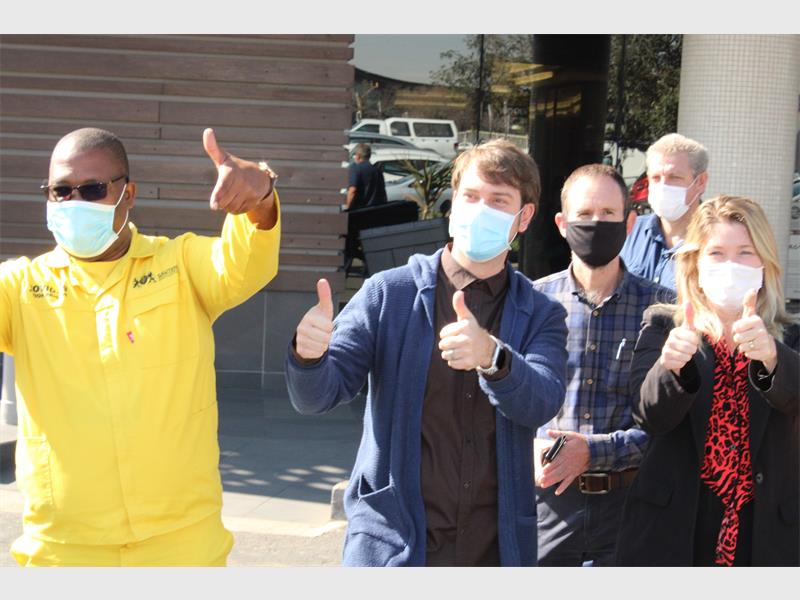
Recently he was the guest speaker at the monthly East Rand Business Women meeting held at Summer Place.
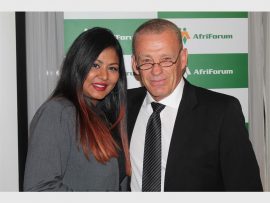
Nel has been a state prosecutor for 36 years and he has recently left the National Prosecuting Authority to join AfriForum’s private prosecutions unit.
Nel, who described himself more as a “daffodil” than a “bulldog” (the nickname given to him during the Pistorius case), said the unit will be making use of a clause in the Criminal Procedure Act which allows for private prosecutions in situations when the NPA declines to prosecute.
Nel said when he announced his move to AfriForum, the media politicised the move.
“I challenged the media that it is not possible to have a political agenda along with private prosecution, because it is just not possible.
“It is simply a case that we will pursue private prosecution when no one else will do it.
“It must also be remembered if we want to prosecute, we first have to guarantee the cost of the accused, so therefore we cannot afford to lose.
“After all, if we lose we must pay all the costs of the accused. If we win they have to pay our cost, so the private prosecution is very selective in the matters that we do take on,” he said.
Nel said the main purpose of the law is to ensure that justice is done while upholding the principle that all are equal before the law.
“Equality before the law in a criminal sense means that there should be no selective prosecution if one commits a crime,” said Nel.
He said there are four issues that he is confronted with, namely that bail is given too easily, that the constitution protects criminals, the need for harsher sentences and should trials be televised.
Nel briefly said that bail is not granted so easily. “It’s a long discussion, but I trust the law. The freedom of every person is one of the basic principles and we should understand it in that sense.”
He also said the constitution does not protect criminals and that South Africa has a brilliant Bill of Rights that needs to be applied correctly.
In terms of sentencing, Nel said the legal system should be more predictable in terms of criminals knowing what awaits them for a transgression.
“If one commits crime then it must be known that the crime will be properly investigated, which should lead to an arrest, prosecution and sentencing.
“I don’t think harsher sentences will solve our criminal element, we just have to get our legal system to be more predictable.”
Regarding televising court proceedings, as in the case of Oscar Pistorius, Nel said the principle of the constitutional guarantee of a public trial won the day.
“The argument was that if anybody can walk into a courtroom because it’s an open trial to watch the matter, then why cannot people sitting at home have access to the same proceedings?
“When permission was granted to televise the Pistorius case, I was surprised to find how little people knew about the law. It therefore added an educational value to the trial, and I believe people realised that breaking the law is not a game or a joke, and when you say something it will be tested as being the truth of not.”
Nel highlighted that the law is not a case but a process and that everyone has a role to play in stemming corruption.
“To stop corruption we need a strong political system, an efficient free judiciary, free press and an independent civil society.”