No platinum award for government’s lack of action
The strike in the platinum belt including Marikana is set to have a significant negative impact on the country's economy.
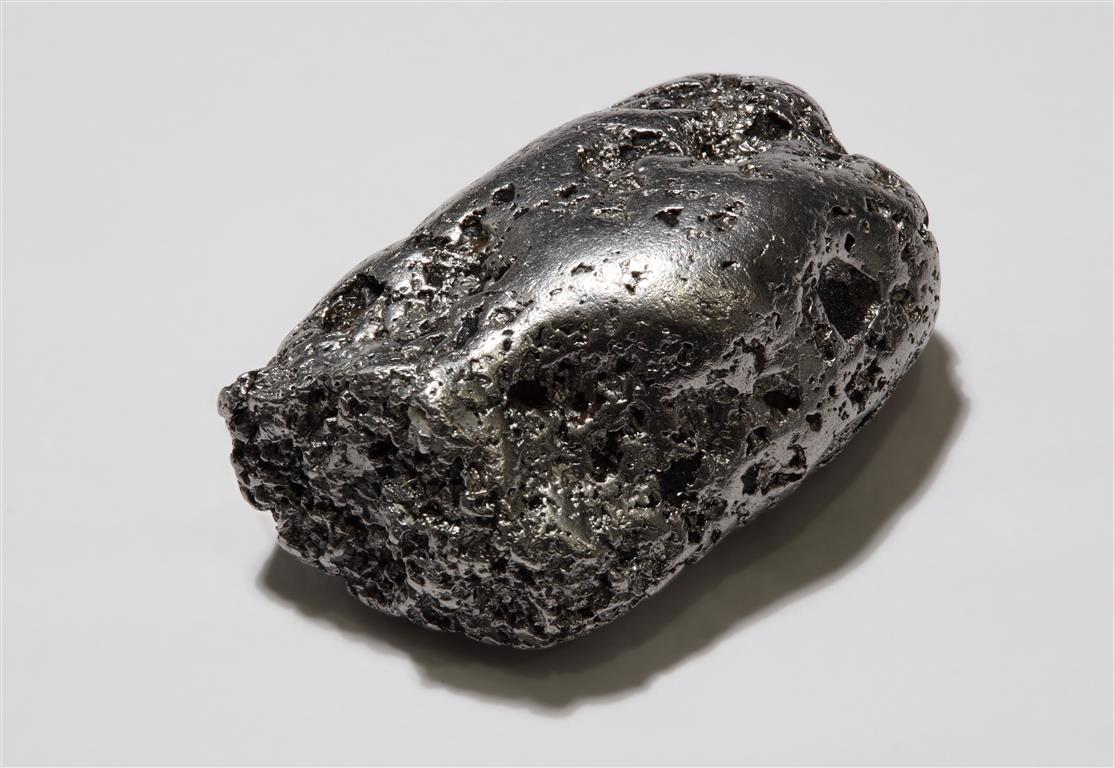

Trade union Amcu rose to prominence in the platinum belt with the R12 500 rallying cry two years ago, when police shot dead 34 miners in one day in Marikana.
Negotiations over the last four months since the strike ensued have stalled many times, and by the middle of May, the strike was reaching a critical stage.
The strike is the longest and costliest ever on South Africa’s mines, highlighting discontent among black miners who feel they are still not reaping the benefits of the country’s mineral wealth two decades after Apartheid ended.
So far it seems no sanity has prevailed, with Amcu leaders rejecting an offer by Lonmin, Anglo American Platinum (Amplats) and Impala Platinum to raise the salary package to R12 500 by 2017. They want the figure immediately, excluding allowances.
By Tuesday, May 13, some workers have returned to work after mine bosses decided to bypass the union and interact with workers directly.
Marikana is a bomb ready to explode, with striking workers threatening non-striking workers with violence for turning their backs on the cause.
Before more workers returned to work, there were already reports of assaults and even murders against workers wanting to go back to work. Those who want to be affiliated with the National Union of Mineworkers are being intimated.
Lost revenue from Lonmin, Anglo-American Platinum and Impala Platinum is already reported to be a R17-billion, and wages forfeited during the strike is approaching R8-bn.
It has also reportedly hit 40 per cent of global platinum supplies and dented already sluggish growth in the country.
In the meantime, major towns like Rustenburg and Brits have become crippled by the strike, having disastrous consequences on businesses. And then we think of all the families affected, with many losing their income and homes.
There is even the story of a contractor for the mines who now has to live in his vehicle with his wife because of the mine’s non-operation.
And then surely, there are a lot of other companies outside the North-West, even here in Boksburg, that must have felt the pinch, especially those who have contracts with mines to supply equipment and so on.
And who is really to be blamed for this mass tragedy?
The mines? The trade unions? The workers?
Yes, it seems common sense has not prevailed, neither has reason or compassion. After all, how can the trade unions expect a R12 500 salary for workers? This is more than the average worker gets in South Africa who has an education. Madness.
Yet, there is another culprit, and that is our beloved government who has now received a 60 plus percentage thumbs up from voters in the latest elections.
While proverbial Rome in the North-West was burning, where was the government in all of this?
After all, they were the ones who created the monster of trade unions by giving them the labour power to hold the mining houses and the SA economy ransom.
I will tell you where the government was – they were busy electioneering!
Yes, while insanity prevailed to the North, the government was promising a better life for all. So much for those promises!
Some will say the government has no right to intervene as this is private business matter, but this is not correct. The strike is threatening SA’s economic stability. It is also affecting the citizens of this country who have no part in the strike, but who are collateral damage as businessowners and as residents of the North-West.
It is the rights of these citizens that are to be protected by the government. Sure, workers have the right to strike, for this is why we have unions, but what about the right to work, to dignity and to life? What about the rights of those who didn’t ask for this strike?
Before the elections, politicians were very vocal to get out votes, but lo’ and behold, as soon as the elections are over, they disappear out of sight.
Therefore, don’t expect too much political activity on the ground until the next local government elections in two years time. The votes have been cast, so now the politicians withdraw back into the shadows, climbing on board the gravy train.
It reminds me of one of those coo-coo clocks – you know, the little birdie pops out when the clock strikes a certain hour.
This is how our politicians roll. Once the two years is up, out they will pop, all smiles, handing out T-shirts, telling the world how great they are yet, in the meantime, the North-West is a tale of doom and gloom.
It therefore remains disturbing that while the politicians were electioneering, making promises of freedom and millions of jobs, personal horror stories as a result of the strike are being told.
Indeed, four months later, with more than a million people it seems affected by the strike in one way or another, the chaos was allowed to continue because the politicians were more concerned about their own well-being.
Yet, there is a reason why the government has not done something sooner, and it has all to do with the elections.
Remember, this government have just won an election by campaigning on the promise of increased wages, working and living conditions for the lowest paid workers.
Before the elections, the government, therefore, couldn’t be seen to take a hard line with the miners. It would affected the votes. Politics, thus, triumphs over human dignity.
The government also don’t want another Marikana massacre. This reality is still on the cards because the government did not step in.
Foreign investment has also taken a knock. While the strike was continuing, the government could ill-afford to allow SA’s image to be tarnished even further as being “not as business friendly as it once was”.
The expectation of further damaging strikes, caused by the government’s lack of action, is set to only add to the already negative view of the investment environment within the country.
The government’s refusal to deal with this issue effectively pre-election has, therefore, allowed the strike to dangerously spiral out of control, and could impact all the citizens of SA.
Even if an agreement is reached soon, one fears the damage has already been done. Action should have been taken after a month, but now, it was election time.
Good luck to the country securing more loans to implement its national plan to upgrade infrastructure!
And then you get a certain party that got the third most votes that fuels the fires by urging workers to continue striking, even permanently.
Excuse me, that is very illogical and irrational to make such an argument. How irresponsible to urge workers to continue striking when clearly families, including children, are suffering.
Again, it is a case of politicians thinking of themselves, their reputation and their ego.
Such illogical thinking is similar to our President justifying Nkandla’s security upgrade being necessary because of the rape of one of his wives.
Sorry Mr President, people are being raped and tortured in their homes everyday, yet we don’t use public money to bring about upgrades worth millions. The spent money could have rather been used to build houses or to help out the unfortunate victims of the platinum strike.
The utter passive approach of governments to sort out serious issues irks one to no end.
Take for example the Boko Haram kidnappings? Really? From day one the Nigerian government should have called all available manpower and torn the country apart.
Please, in the future when another crippling strike looms, let bruised egos be put aside, as well as political agendas and personal feuds for the sake of our beautiful land.