Supporting families dealing with drugs
Yulanda Kruger, a social worker for the past two months at the Viewpoint Rehab Centre, is adamant that there is a road to recovery for drug addicts.
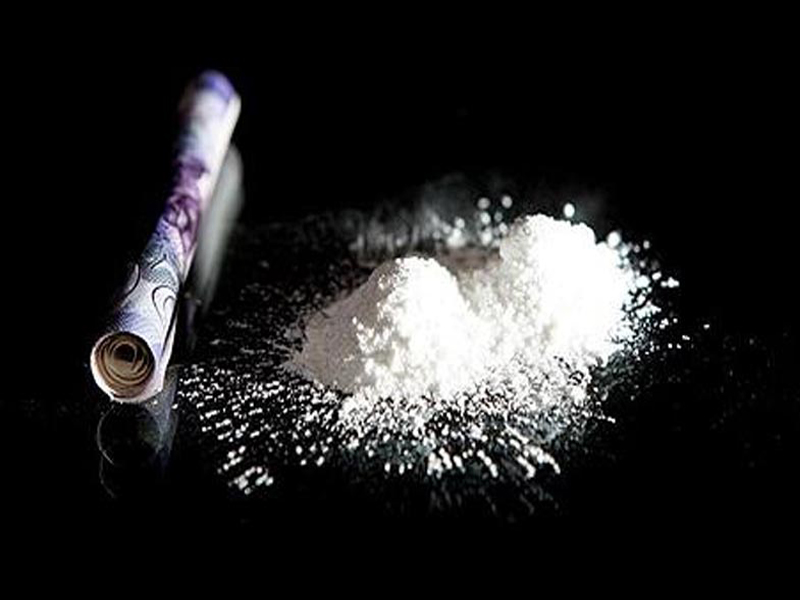

She, however, feels that one of the key components to winning the fight and getting addicts back on the right track is the positive involvement of families and friends.
“For too long families have tried to hide the fact that a family member is using drugs, not just from the outside world, but even within the family structure,” says Kruger.
“It is as if drugs is this terrible disease that we need to hide. There was a time when people treated Aids in the same way and nobody wanted to talk about it or deal with it.
“Those days, however, this stigma needs to change. The answer is not denial, or trying to sweep the problem under the carpet. Families will not be helping the person hooked on a substance by turning a blind eye, but they must rather tackle the issue face on.
“Transparency and good communication is, therefore, key to winning this battle. Once people talked about Aids and addressed in head-on instead of avoiding it, the sooner action could be taken and progress made.
“If the problem remains not addressed for a long time, it will only get worse.
“Being addicted is not just about the drugs, but it leads to so many other problems, such as a life of crime to support the addiction. So often addicts will steal from family members, and if that doesn’t work, from the public.
“Families need to intervene and take direct action, otherwise eventually a family or a relationship could fall apart.
“There is also no reason to be embarrassed when you know of someone as a friend or a family member who is addicted. It affects more and more people everyday across the world.
“So often parents will not take action because they feel they have failed as parents. People, however, don’t end up on drugs because of bad parenting. There are many reasons why it happens, so parents mustn’t beat themselves up.
“When it comes to drugs or alcohol, it is a matter of fact that some can use it and get addicted, while others will not get addicted. This is not because of a lack of skills or because they are bad people, they just cannot stop.”
To help drug addicts and families find solutions and to pave a way forward, the centre will be starting with support groups for the public once a month.
The first group will convene on November 26, at 6.30pm.
According to Kruger, the goal is provide accessible support services to significant others prior to treatment and after treatment in restoring their dignity, control and sense of belonging.
“Any person who lives with an alcoholic or an drug addict, who haven been affected by one, that needs support to cope with problems can attend.
“In the support group we will discuss how to cope with everyday problems as well as information about substance abuse.”
Kruger says she has already seen a positive change among the addicts at the centre since she has started with life skills and art therapy groups.
Art therapy incorporates the 12 steps and helps people to express themselves through art, which promotes better communication.
She also is busy with individual and family counselling.
“The skills we teach I believe are very beneficial as they can be implemented in our daily life.”
She says one of the biggest challenges is for people to learn about proper and open communication.
“For example, handling of emotion and handling of anger goes back to communication. Our behaviour and action are often determined by our communication and thoughts, therefore the way we are thinking.
“So by introducing proper communication skills, and to handle your thoughts you can change behaviour.
“It is also important to empower them to practice what they learn practically. So it is about walking the walk and talking the talk.
“There is a solution and there is an answer to drug addiction. In this line of work as a social worker, you can see a difference. Other fields of social work you cannot also see the change happening.
“The support for the recovering addict is therefore radical as it remains an ongoing process of becoming a better person.”
She says they prefer if people stay for up to 12 weeks at the centre, since they face numerous challenges on their road to recovery.
Kruger feels that the use of drugs and alcohol, and even the addiction to gambling has become out of control.
“Recently I helped a 12-year-old who was hooked on CAT and meth. This is the thing about drugs – it is not biased. It affects young and old, the rich and the poor, black and white. It is becoming worse because it is so easily available.
“There is also the perception that drugs is used mainly by teenagers, especially those who come from broken families and who may have dropped out of school. This is not true. Recently I dealt with a man who started using drugs for the first time in his 40s.
Gordon Wright, who is a recovered drug addict and who helps run the centre, says that drugs is a huge problem among all cultures, and is specially prevalent in the townships where Nyaope (dagga and heroine) is common.
“It is chaos in the world, it seems everybody seems to be using. And then we are not even talking about the problems related to alcohol or gambling or pornography addiction.
“Another challenge for those who are hooked is to try and get treatment, because it is expensive. But we as a centre cannot afford the service free of charge or to charge a very low rate, because we have certain expenses to cover.
“What you, however, have to consider is that those using drugs are spending more money every month on drugs than what the treatment will cost. Funny that they will find a way to pay for the drugs, but not for the treatment.
“One has to remember addiction is a disease and so you need to learn to manage. Some will use drugs or alcohol for pleasure, but in the end, addiction always becomes painful as it hurts yourself and your loves ones.”
The centre is located on the corner at 11 Palm Street, Plantation.
For more information phone Kruger on 082 904 0851.
The centre is fully registered.