Government plans to reduce the legal blood alcohol limit
Minister of Transport Dipuo Peters has proposed that the blood alcohol limit for drivers be lowered to 0.02g.
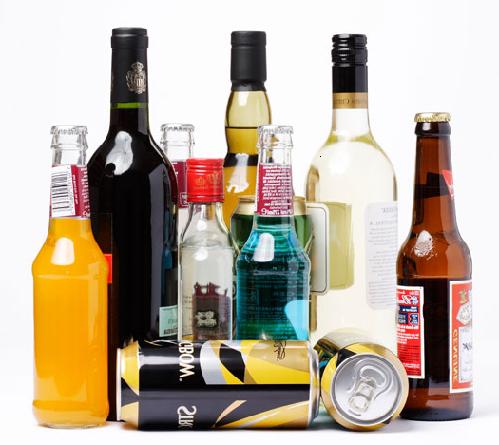

This means drinking even a glass of wine or 500ml of beer could put an individual over the limit.
Drunk driving is said to be one of the main causes of accidents on our roads, and the minister believes that the lowering of the alcohol level would reduce the death and injuries caused by drunken driving.
However, some people are not in favour of the amendment and maintain that the proposed lowering of the legal blood-alcohol level is not the answer to addressing the carnage on the roads.
Stacey Machado, a supervisor at Ferreira’s Sports Bar and Restaurant, is among the people who are opposed to the proposed lowering of the limit, and she says their businesses will be affected should this proposal becomes law.
“This would mean that our customers may not even have a full glass of wine with dinner,” she says.
“I think one of the things that will make a huge difference in reducing accidents that are alcohol-related on our roads, is introducing 24-hour, reliable public transport, aimed at alcohol consumers and tourists.”
Resident Rayner Franz also suggests that the government focuses on introducing reliable public transport instead of lowering the limit.
“It doesn’t help to drop the level to 0.02g/100ml,” he says.
“At the current 0.05g/100ml drivers continued to disregard the alcohol limit, so this is exactly what is going to happen even if they lower it.
“Government knows very well that it is not easy to police drunk driving at over 0.05g/100ml, so, for me, it is clear that lowering the existing, acceptable levels of alcohol consumption for drivers will not make any difference.”
According to the proposed amendments to the National Road Traffic Amendment Bill, public transport and freight transport drivers would not be allowed to have any alcohol in their bloodstream.
“We need laws that bite and assist behavioural change within the South African motoring community,” said Peters in a statement issued by the Ministry of Transport.